
Before buying grass seed, identify the turf you want and whether that variety can be established from seed. Soil preparation and follow-up watering matter as much as spreading it. As a matter of fact DNR Landscaping provide professional help for planting lawn in Florida.
Understanding Lawn Seeding Basics
Seeds need suitable conditions and contact with soil to grow. A compatible species and planting method come first.
How Lawn Grass Seeds Grow
Moisture allows germination to begin. Keep seed at the recommended depth so emerging roots can reach the soil.
Choosing the Right Grass Type
Florida commonly uses warm-season turf. Bahiagrass and some bermudagrass varieties can be seeded; St. Augustinegrass is established vegetatively, usually with sod or plugs. Some other cultivars also require vegetative planting.
Timing Your Grass Seeding for Best Results
Choose a planting window suited to the species, location, and available water. Cool-season lawn calendars do not transfer directly to Florida. Warm-season planting generally needs warm conditions and enough time to establish; follow the seed’s species-specific guidance.
Step-by-Step Guide: How to Plant Lawn Grass Seed
Plan preparation of the soil, planting, and aftercare before opening the seed bag.
Preparing the Soil
Use a soil test to guide amendments. Do not automatically add lime or fertilizer to every site.
Clearing and Leveling the Lawn
Remove debris and manage existing weeds before planting. Address drainage and grading problems without burying roots or damaging utilities.
Loosening and Preparing Soil Surface
Prepare a suitable seedbed. Avoid unnecessary tilling of established turf or soil near roots and buried equipment.
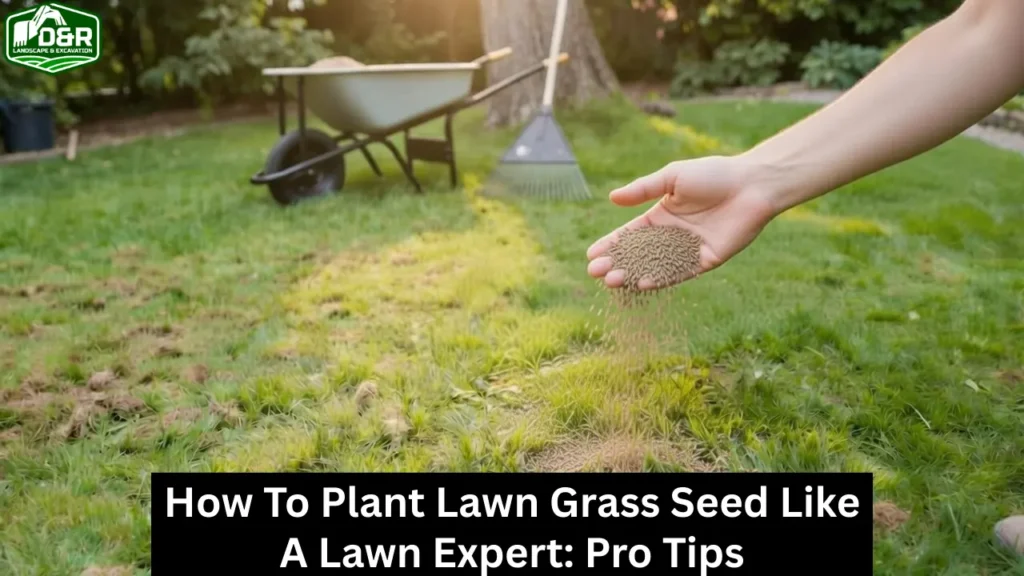
Spreading the Seeds
Measure the area and spread the label’s recommended amount evenly. If using crossing passes, divide the total dose between them.
Raking and Pressing the Seeds
Follow the recommended planting depth and method for the seed. Do not bury it deeply or assume every species needs the same cover.
Mulching for Moisture Retention
Use a suitable light covering only if recommended. A thick layer can interfere with emergence.
Watering and Maintaining Moisture
Keep the seedbed moist without puddles or runoff. Adjust watering to weather and site conditions, within local rules and any establishment allowances.
First Mowing and Lawn Care
Begin mowing once the turf is sufficiently established, at its recommended height. Good lawn care varies by species; a universal two-to-three-inch first cut is inappropriate.
How to Plant Grass Seed on an Existing Lawn
Overseeding can help some compatible lawns. It is not a general repair method for every Florida grass.
Preparing Existing Turf
Prepare enough soil contact without automatically scalping or dethatching healthy turf.
Seeding the Lawn
Match the species and cultivar where possible. An incompatible seed mix can create a patchwork lawn.
Aftercare
Limit traffic while seedlings establish. Maintain suitable moisture rather than keeping the lawn saturated.
How to Plant Bermuda Grass Seed on an Existing Lawn
Some bermudagrass varieties are grown from seed; others require sod, sprigs, or plugs.
Preparing for Bermuda Overseeding
Use a renovation method suitable to the existing turf. Do not scalp every lawn or remove all thatch by default.
Spreading Bermuda Seeds
Use the seed rate and depth specified for the variety.
Watering Bermuda Grass
Monitor moisture closely during germination and gradually adjust irrigation as roots establish.
Repairing Bare Spots and Lawn Patching
Find the cause of a bare patch before replanting it. Shade, drainage, or traffic may defeat the same repair again.
Common Mistakes to Avoid When Planting Grass Seed
Common mistakes include the wrong grass, poor soil contact, unsuitable timing, excessive seed, and incompatible weed-control products. Check planting restrictions on any herbicide label.
Long-Term Lawn Care and Maintenance
After establishment, use grass-specific mowing, watering, and fertilizer guidance. Maintenance cannot guarantee a lawn free of pests or disease.
Conclusion
When attaining a fertile and abundant lawn is the goal, start with a suitable grass and planting method. Prepare the site and plan aftercare rather than expecting seed alone to fix an unsuitable location.