What Does Dirt Work Include? Define the Scope Before You Hire
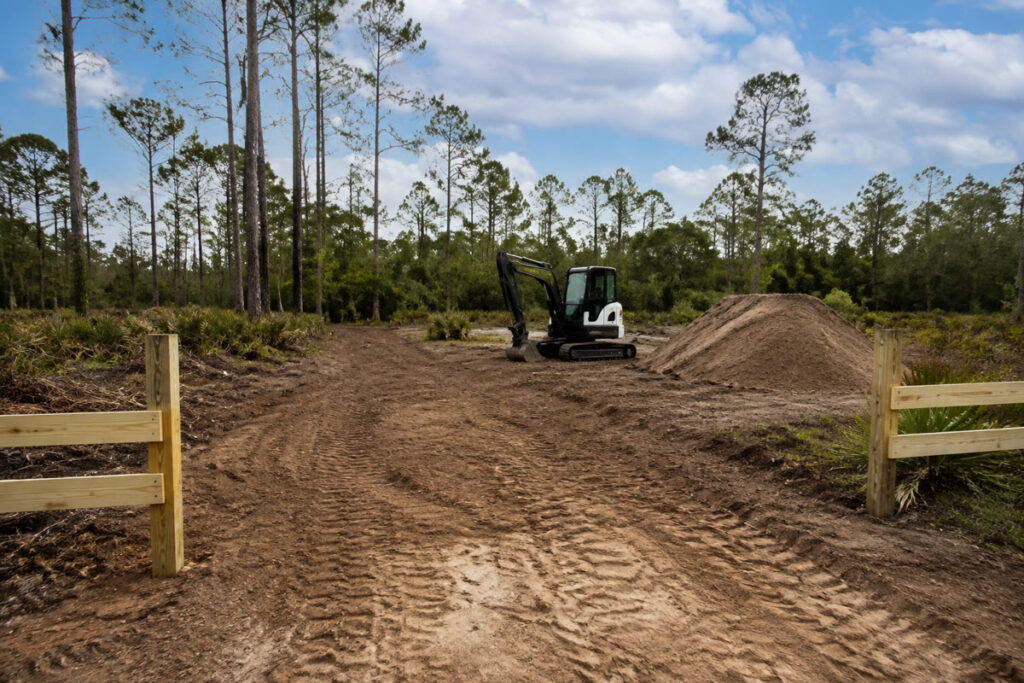
Define dirt work by the material being moved, the access route, the required finish, and what the area must support next.
Ditch Clearing in Florida: What to Check Before Work Begins
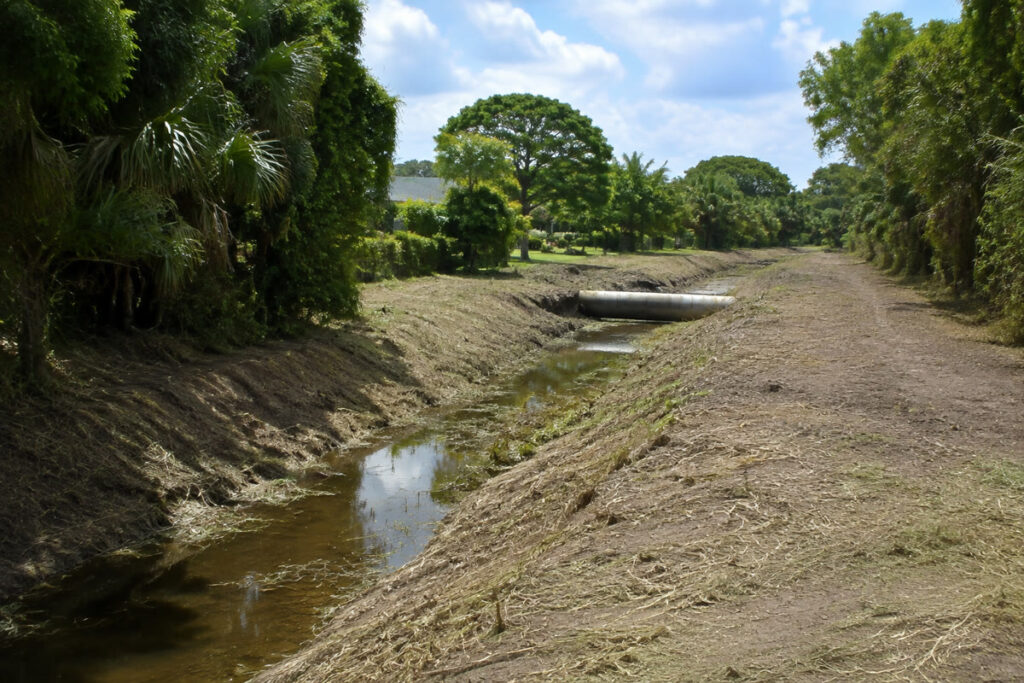
Ditch clearing starts with the full channel, access route, crossings, work limits, and debris plan—not vegetation removal alone.
Planning Pond Construction? Answer These Site Questions First
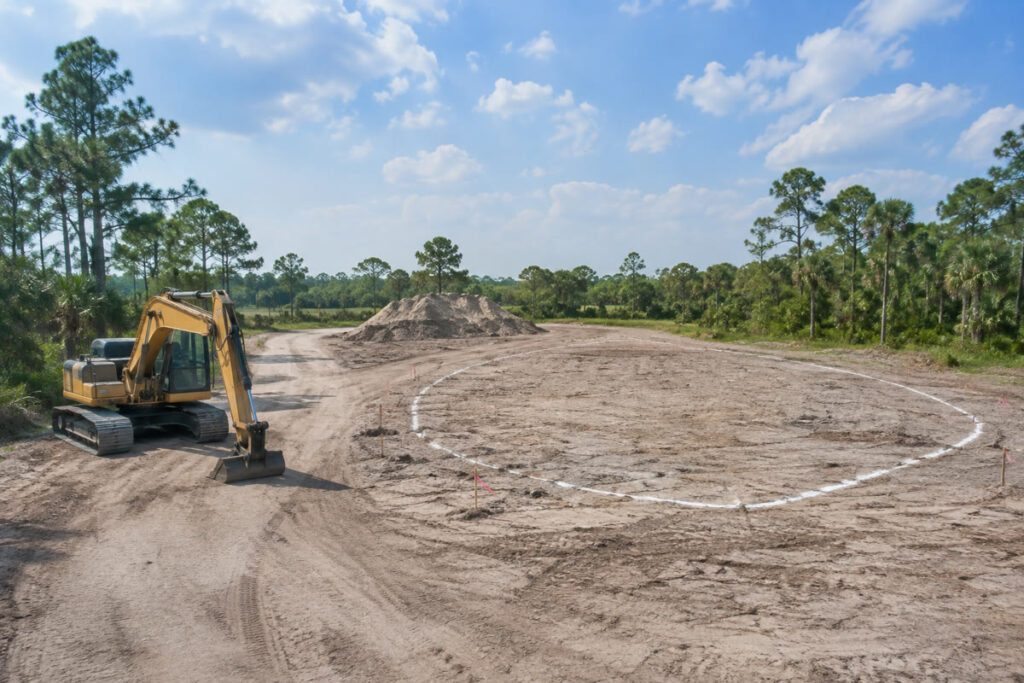
Before pond excavation, clarify purpose, approvals, soil handling, equipment access, and the condition the surrounding property must support next.
Selective vs. Full Land Clearing: Which Scope Fits Your Property?
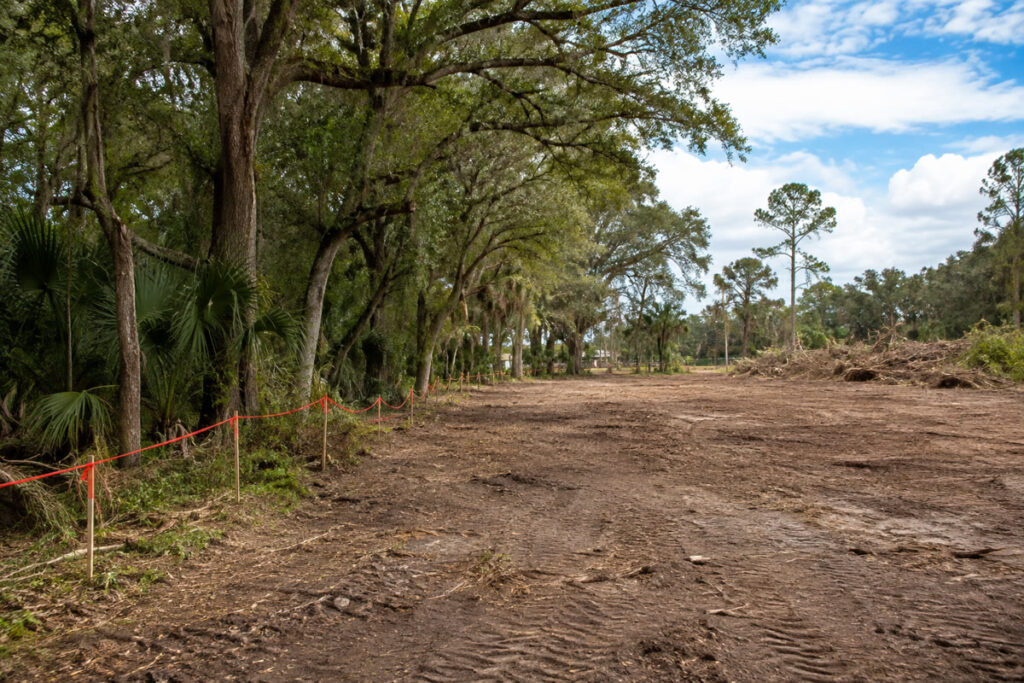
Selective clearing preserves defined trees and buffers while opening only the areas your project needs. Use this six-part scope method before requesting an estimate.
What Information Is Needed for a Land-Clearing Estimate?
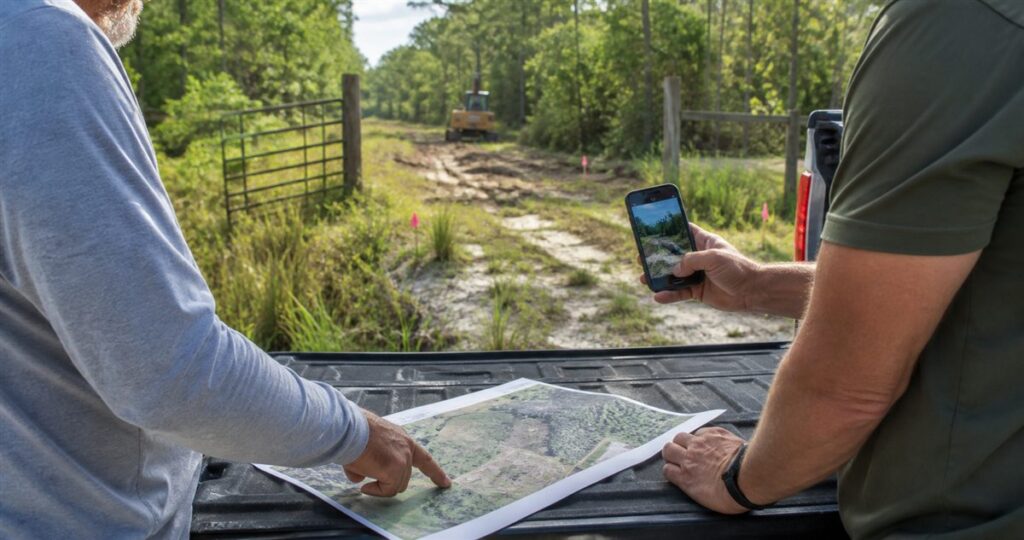
A useful land-clearing estimate needs location, size, representative photos, access, keep zones, next use, and known constraints—not acreage alone.
How to Plan Brazilian Pepper Removal in Florida
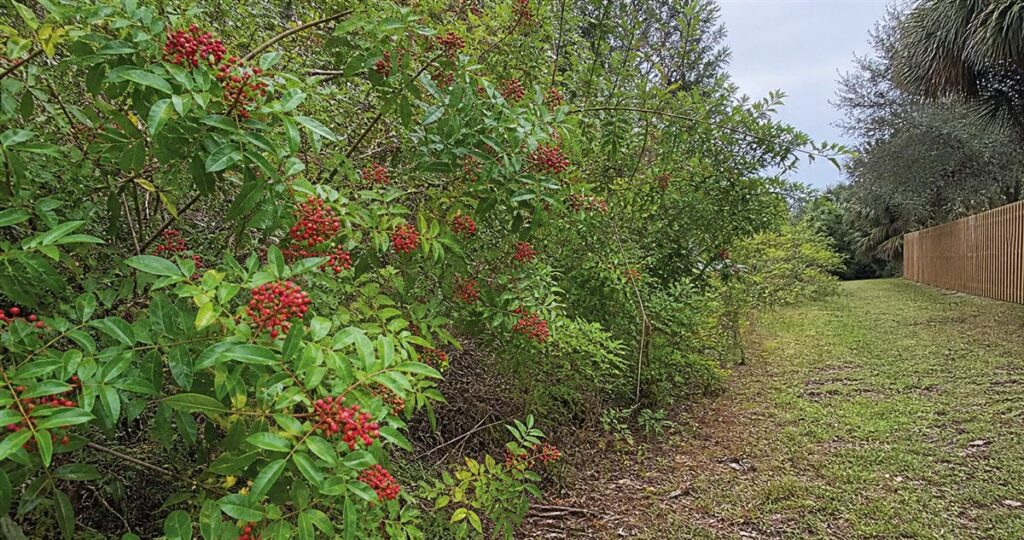
Brazilian pepper control requires correct identification, a site-appropriate method, careful debris handling, protection, and follow-up for regrowth.
What Happens to Debris After Land Clearing?
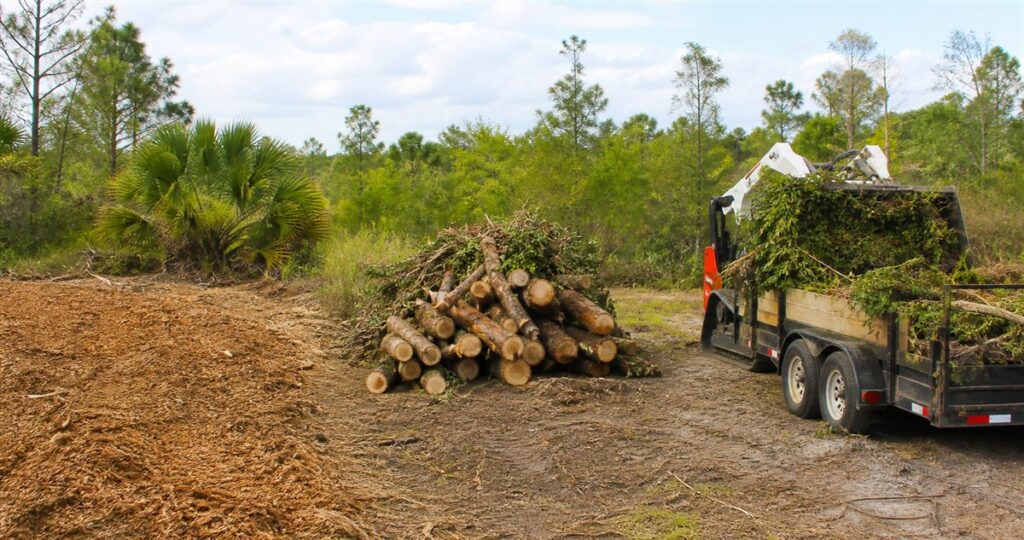
Land-clearing debris may be mulched, chipped, piled, hauled, or handled under an authorized plan. Choose by material, space, rules, and next use.
Can Heavy Equipment Access Your Property? Check These 6 Conditions
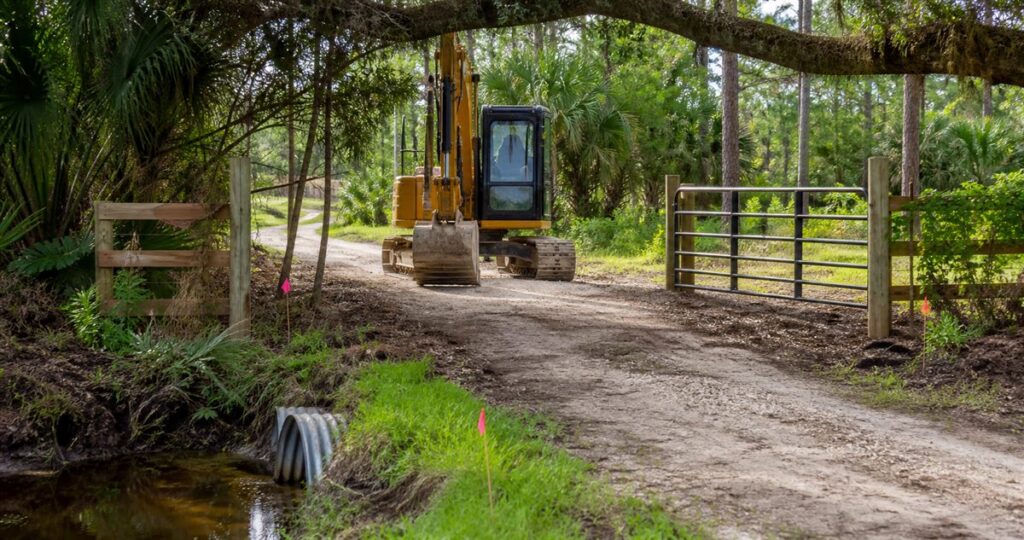
Before land work begins, check the full equipment route for entrance width, overhead limits, surface, drainage, turning, and protected areas.
Rough Grading vs. Finish Grading: What Is the Difference?
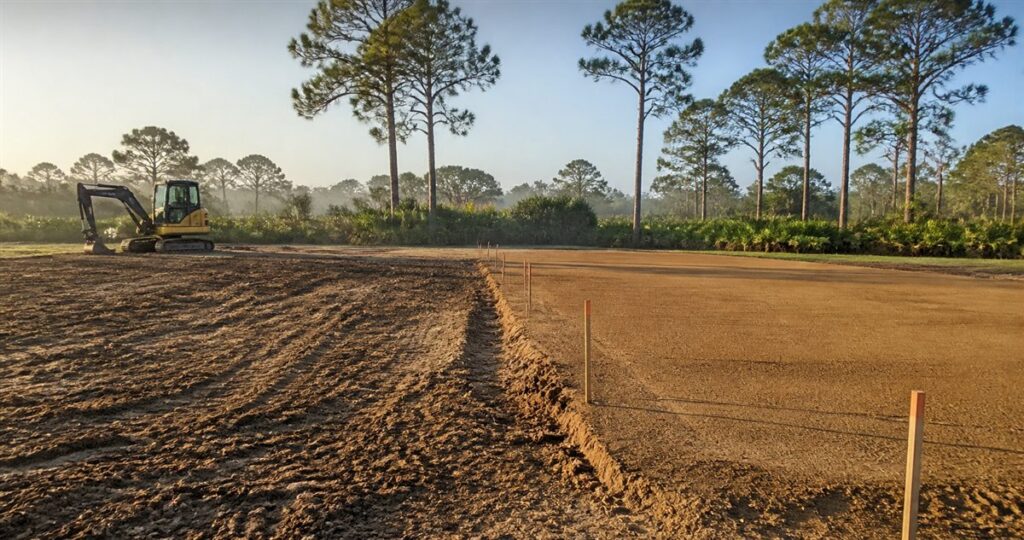
Rough grading establishes the site’s broad shape; finish grading refines the surface for its next use. Learn how to define the handoff.
Brush Hogging vs. Forestry Mulching: Which Does Your Property Need?
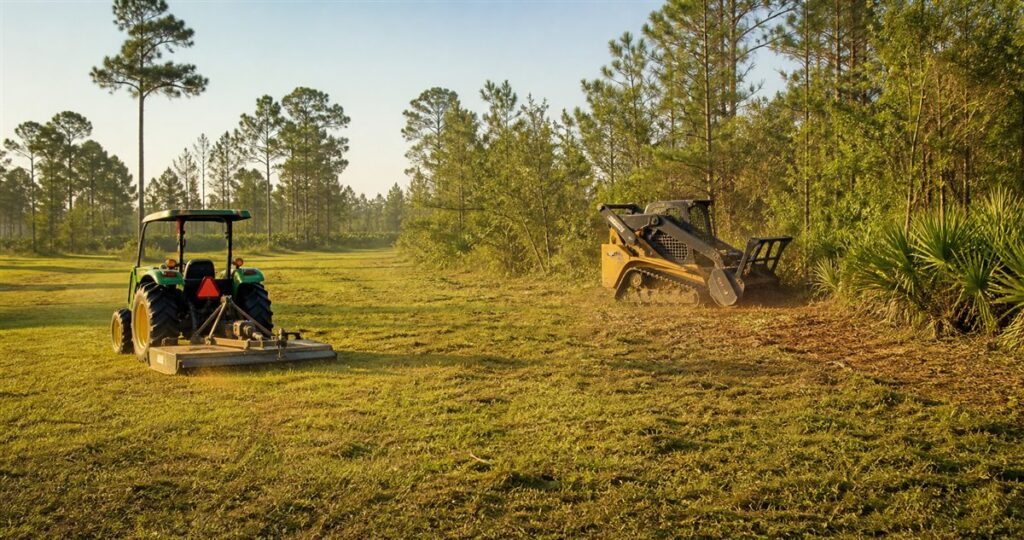
Brush hogging fits passable areas needing recurring vegetation control; forestry mulching fits denser woody growth. Choose by access, material, and finish.