
After mowing, you can usually leave small, evenly spread clippings on the lawn. If they form heavy clumps, collect or redistribute them so they do not smother the grass.
Clippings return nutrients as they break down. If you are in Florida then you can contact any expert like DNRlandscaping, which provide services like lawn care, lawn clearing and other.
The practical options are leaving them in place, composting suitable material, using a thin mulch layer, or following local yard-waste collection rules.
What Are Lawn Clippings and Why They Matter
Clippings are the cut grass blades left after mowing. They break down and return some nutrients to the lawn. That recycling can reduce waste, but does not replace a grass-specific nutrient plan.
What to Do With Lawn Clippings After Mowing
Choose the option that fits the amount of material and its condition.
Grasscycling: Let Clippings Decompose Naturally
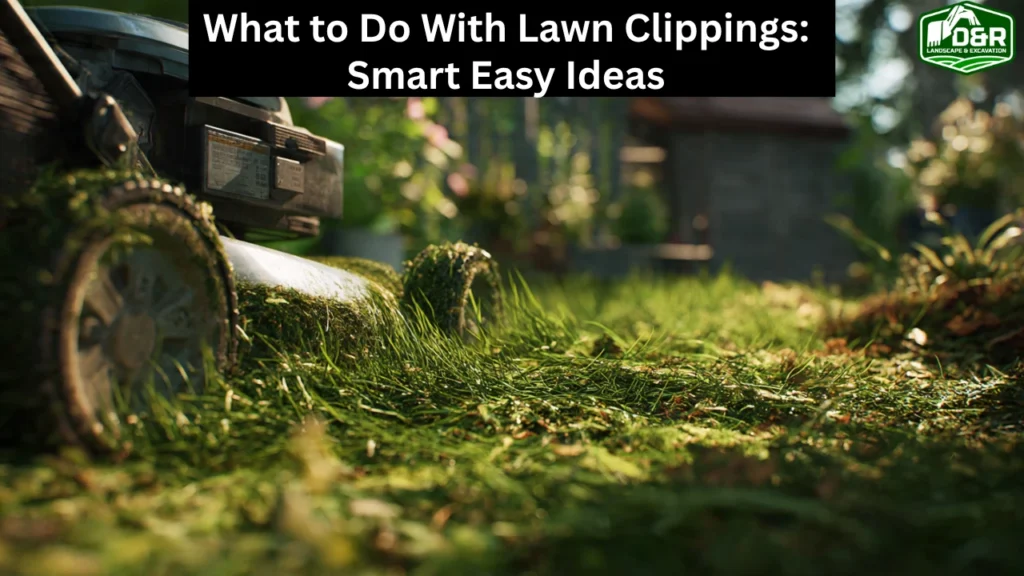
Grasscycling means leaving the clippings where they were cut.
It saves bagging and disposal work when the material is small and spread evenly.
Mow often enough to remove no more than one-third of the blade at a time. Excessively long cuttings are more likely to clump.
Using Lawn Clippings as Mulch
Suitable clippings can be used as a thin mulch around landscape plants. Keep the layer loose rather than packed against stems or trunks. Thick wet layers can mat down and smell. Let material dry somewhat and use only a thin layer.
Composting Grass Clippings for Rich Organic Matter
Fresh clippings are a nitrogen-rich green material for composting. Mix them with dry leaves or another suitable brown material so the pile does not become a wet mass. Use finished compost where it suits the planting and soil plan.
Improving Soil Structure and Fertility
Finished compost is easier to manage as a soil amendment than a large mass of fresh grass. Do not assume adding raw clippings corrects compaction or poor drainage.
Supporting Erosion Control in Bare Areas
Loose grass clippings are not a dependable erosion-control system for a slope or drainage path. If runoff is exposing soil, assess the cause and choose suitable stabilization rather than relying on a thin scattering of cut grass.
What to Do With Bagged Lawn Clippings
Bagged material can still be useful if its condition and treatment history allow it.
Reusing Bagged Clippings Through Composting
For compost, combine collected clippings with suitable dry material.
Turning Bagged Clippings Into Mulch
For mulch, use the same thin, loose layer as with unbagged clippings. Break up clumps before spreading and keep the material away from plant stems.
Using Local Yard Waste and Recycling Programs
If you cannot use the clippings, check your current local yard-waste collection instructions. Confirm accepted materials, containers, and placement before putting bags out.
Sharing With Gardeners or Community Spaces
Ask a gardener or community garden before delivering material. Share its treatment history so they can decide whether to use it.
When You Should Avoid Leaving Lawn Clippings
The advantages of grasscycling depend on leaving a manageable amount, rather than a thick blanket.
If disease is suspected, ask for condition-specific advice. Do not assume every discolored lawn requires all clippings to be bagged. Avoid mowing wet grass. If long cuttings already form heavy mats, remove or redistribute them.
Common Mistakes to Avoid When Handling Lawn Clippings
Keep heavy piles off living turf. Check pesticide and herbicide labels before composting or using treated clippings around other plants. Some uses are restricted. More mulch is not always better; a thick layer can interfere with air and water movement. A regular mowing routine makes the volume easier to handle.
Benefits of Reusing Lawn Clippings
Reusing suitable material can reduce handling and disposal. The nutrients returned are part of the lawn’s overall care, not a reason to abandon the feeding plan. Keep clippings off streets, storm drains, and water. Sweep or blow them back onto the lawn where appropriate.
Lawn Clippings vs Bagging: Which Is Better?
The choice depends on what the mower leaves behind. Leave short, evenly spread clippings. Collect heavy accumulations or material that needs separate handling. You can use both approaches as conditions change.
Eco-Friendly Lawn Care Tips for Better Results
Match mowing frequency to growth rather than waiting for very long grass. Use sharp blades and mow dry turf at the species’ recommended height.
Conclusion
Start with the simplest suitable option: leave manageable clippings in place. When collection is needed, choose an appropriate reuse or follow the local disposal rules.