Ants are not necessarily as harmful as it might appear; they can become a real threat once they enter your lawn. Ant infestations can rapidly damage the health and the appearance of your yard with small heaps of dirt ruining your lawn and with other pests such as aphids being eliminated. In the event that you were asking yourself, how do I get rid of ants in the lawn, the you can either contact professional like DNRLandscaping In Fort Pierce, Florida or this guide will offer natural effective strategies to get rid of ants without damaging your lawn.
Table of Contents
Why Ants in Your Lawn Are a Problem
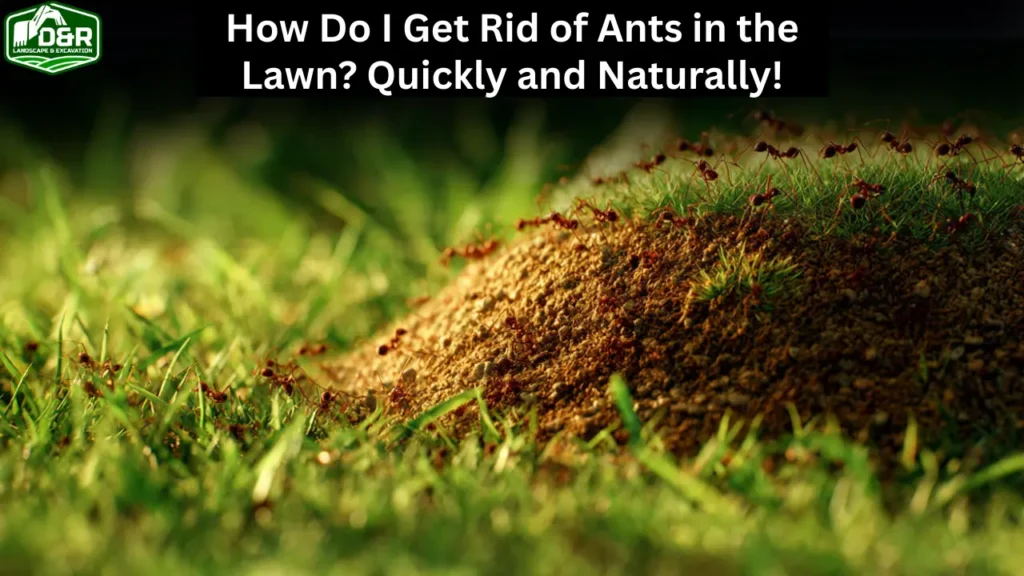
The presence of ants on your lawn is not a simple nuisance. Ants may destroy your grass by heaping soil and making up lumps and displacing roots. Certain ants like fire ants may even bite you, making your yard dangerous to kids and pets. Moreover, other pests, like aphids, are also commonly safeguarded by the ants and may cause more damage to plants and grass. You will know the reason behind the presence of ants in the house, thus how to deal with the problem to prevent any future outbreak.
Signs That Your Lawn Has Ants
You can imagine that ants have invaded your lawn based on the fact that you find small piles of soil scattered on your yard or you see the ants making noticeable tracks. Grass patches may also be bare or discolored showing evidence of underground ant tunnels upsetting the roots. You can even be bitten or stung in the case of attacker species such as the fire ant. By understanding these signs early, you will be able to take steps to ensure that the infestation does not spread.
How Ants Find Their Way Into the Lawn
There are many reasons that attract ants into lawns. Your yard is a nice place to live because of moisture, food, and shelter. There are overwatered spots or areas that have standing water and this gives good nesting grounds. Sweet substances like spilled drinks, fallen fruits or pet food are some of the places where ants seek a source of food. Moreover, bare soils or loosened earth provide ready places where colonies can settle. Keeping a lawn healthy and lessening these attractants is also a major measure of avoiding attacks.
Natural Methods to Get Rid of Ants in the Lawn
Ants can be also controlled effectively and naturally in a variety of ways which do not require harsh chemicals, as preferred by some individuals. The secret how to get rid of ants in the lawn naturally can save your lawn and at the same time save the environment.
Using Boiling Water on Ant Hills
Pouring hot water directly on anthills is one of the easiest and most efficient natural solutions. This technique destroys ants fast, by caving in tunnels and destroying the colony. To ensure optimum performance, boiling water is best applied early in the morning and not spilt over the desirable grass as it may cause damage to the blades. Sterate stubborn colonies may need reapplication.
DIY Ant Repellent Sprays
You can easily make your own sprays that are effective in breaking the trails of the ants and keep them out of your lawn. Vinegar combined with water in 1:1 ratio disrupts the scent trails of the ants and vinegar mixed with water is used to dissolve their protective shell. The essential oils like peppermint, citrus or tea tree oils are natural dispersants. Anthill can be sprayed with these solutions along the ant trails and around the anthills; this will reduce the activity of the ants as time goes on.
Diatomaceous Earth (Food-Grade)
Another natural ant control solution is food grade diatomaceous earth. When scattered around anthills and on trails it acts by drying up the ants, which in the end, kills them. This is a safe way of dealing with humans and pets when properly applied. They might need to be reapplied upon rainfall or lawn watering in order to be effective.
Natural Baits
Another strategy that may prove helpful is the establishment of natural baits that will be taken back to the colony by ants. A blend of borax and sugar is usually taken to destroy the colonies gradually. The ant digestion can also be disrupted by cornmeal or cornstarch. These traps are to be laid in such a manner that children or pets are not exposed to danger.
Using Scents Ants Dislike
There are household objects that can act as ant repellents. Around anthills or high-traffic locations, coffee grounds, cinnamon, and citrus peels can be sprinkled to prevent the development of new colonies. These natural deterrents may not be effective enough to stop the ants completely, but they can be used during prevention.
When Chemical Treatments Are Necessary
Natural methods do not always solve the problem fully, particularly with extensive infestations. In such instances, population can be controlled using chemical baits that are lawn-safe. Slow acting ant baits are made to be brought back to the colony which eliminate the whole population gradually. Quick results can be achieved using liquid sprays, but this option must be used carefully to avoid harm to the useful insects, children and pets. In the case of chemicals, on top of preventive measures of lawn maintenance, a combination of treatment and preventive measures is the insured way to achieve long-lasting results.
Preventing Ant Infestations
It is usually easier to prevent ants rather than eradicating them. Keeping the lawn mowed to the correct height and not overwatering leaves fewer spots where ants can build colonies. Minimizing attraction through the removal of food sources like sweet spills, pet food and dropped fruit. Moreover, cracks of hard surfaces should be sealed and old anthills must be broken and re-seeding should be done to prohibit the reappearance of ants. Long-term ant prevention is the task of healthy maintenance of the lawn.
When to Call a Professional
Professional intervention is required in a few instances. Treatment by experts may be necessary in cases of large infestations, especially where aggressive species, such as fire ants are involved. Another reason why it is necessary to employ a licensed pest control service is structural damage caused by nesting along foundations or walkways. In case the natural methods do not yield results after several attempts, professionals are able to guarantee safe and effective ant removal.
Conclusion
The answer to the question of how do I get rid of ants in the lawn is prerequisite to having a healthy and pest-free yard. Natural procedures such as boiled water, homemade sprays, and diatomaceous earth are combined with preventive maintenance of lawns, which guarantees long-term outcomes. Having a lawn that is kept well-watered and free of debris as well as ensuring you check on the presence of ants will make sure that your yard is safe and free of ants. Through hard work and initiative, you will have a beautiful lawn with disregard to ants.
FAQs About How Do I Get Rid Of Ants In The Lawn?
Will ants ever return after treatment?
Ants will likely come back if the conditions in your lawn continue to provide food, moisture, and shelter for them.
Are ants harmful or beneficial to lawn ecology?
Ants are beneficial to lawn ecology, although too many can cause damage to the lawn and “farm” other pests, which are harmful to the lawn.
Can salt or pepper really kill ants?
Salt and pepper may temporarily discourage ants from crossing, but they are unlikely to completely eliminate the ant colony.
How often should natural treatments be applied?
Natural ant killers, such as sprays or diatomaceous earth, may need to be reapplied every week or every two weeks, depending on ant activity and weather patterns.