
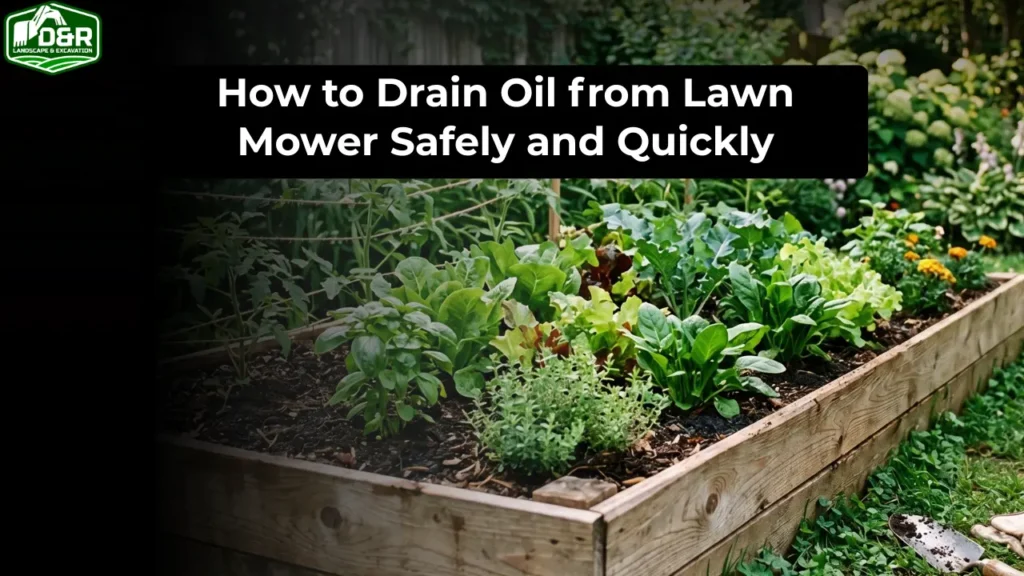
A raised bed can make gardening easier where the existing soil or layout is unsuitable. You can choose the growing mix and improve access, but the bed still needs drainage, weeding, and regular care. Start with the site and the crops you want to grow. Then choose the size, materials, and soil mix before building the frame.
Why Build a Raised Garden Bed?
A raised bed contains the growing area and can make soil management easier. Its success depends on the design and care, not the frame alone.
Better Soil Control and Plant Health
You can add a growing mix suited to your plants. For an open-bottom bed, the soil beneath still matters, especially if it drains poorly.
Improved Drainage and Less Waterlogging
Raising the growing surface can help with drainage, but water still needs somewhere to go. A bed on a poorly drained site is not automatically protected from waterlogging.
Easier Gardening Experience
A suitable bed height can reduce bending. Choose dimensions you can reach and work comfortably.
Types of Raised Garden Beds You Can Build
Pick the design according to the available space, access, and weight the supporting surface can carry.
Standard Ground-Level Raised Bed
An open-bottom frame placed on the ground is a simple option. It lets roots extend into the soil below where conditions allow.
Raised Garden Bed with Legs
An elevated planter can bring the growing area within easier reach. Its legs, bottom, and joints must support the weight of wet growing mix.
Raised Bed Vegetable Garden
For vegetables, plan enough root space and spacing for the crops. The container itself does not guarantee a higher yield.
Raised Garden Bed on a Slope
A slope needs a stable, level installation and a plan for water movement. Significant terracing or retaining work may need professional advice.
Tools and Materials Needed
A small timber frame can be built with basic tools. Use a design strong enough for its dimensions and the weight of soil. Choose appropriate boards, fasteners, a drill, saw, measuring tape, and level. Cedar and redwood resist decay, but check the suitability and condition of any material you use. Select a raised-bed growing mix or an appropriate blend of soil and compost. Avoid filling a container with material that compacts or drains poorly.
Step-by-Step Guide: How to Build a Raised Garden Bed
Step 1: Selecting the Perfect Location
Choose a location with sunlight suited to the crops and convenient water access. Avoid places that collect water after rain.
Step 2: Planning Size and Layout
A bed about three to four feet wide is often reachable from both sides. If access is only from one side, make it narrower. Depth depends on the crops and whether roots can enter soil beneath. Check the dimensions by reaching across the proposed bed before buying materials. Leave enough room for paths and maintenance.
Step 3: Preparing and Cutting Wood
Measure and cut the boards for the chosen design. Smooth rough edges and use appropriate protection while cutting.
Step 4: Building the Frame
Assemble the frame with suitable screws or brackets. Larger or deeper beds may need extra support to resist outward pressure from wet soil.
Step 5: Preparing the Ground
Remove debris and address existing weeds. If using a weed barrier, choose one that suits the bed and does not block drainage or necessary root growth.
Step 6: Installing and Leveling the Bed
Set the frame on a stable base and check it with a level. Do not rely on loose piles of soil to support an elevated planter.
Step 7: Filling the Bed with Soil
Fill with the selected growing mix, not a soil test. A test can help guide nutrient decisions later. Allow for settling and leave space below the rim for watering.
How to Build a Raised Garden Bed Cheap
Keep costs down by choosing a simple design and buying only what the bed needs.
Use Reclaimed or Recycled Materials
Reuse materials only when you know they are suitable and uncontaminated. Avoid unknown pallets, painted debris, and treated waste around edible crops.
Simplify the Design
A rectangular frame is often enough. Keep it simple while retaining the bracing and strength required by the design.
Prepare Your Own Soil Mix
Compare the cost and quality of bulk growing mix with a suitable home blend. Cheap fill that drains badly can cost more to replace.
How to Build a Raised Garden Bed with Legs
An elevated bed needs more structural planning than a frame on the ground. Wet soil is heavy, and access should not come at the expense of stability.
Frame Construction
Build a supported planting box with a bottom designed to hold the growing mix. Use a proven design if you are unsure about its load.
Adding Support Legs
Attach and brace the legs securely on a stable surface. Check that the planter will not tip or rack when loaded.
Drainage Considerations
Provide drainage openings that will remain clear. Water should be able to escape without washing out the growing mix.
How to Build a Raised Garden Bed on a Slope
On a slope, plan both structural support and runoff before construction.
Terracing Method
Several smaller level beds may be easier to manage than one large sloping bed. Each still needs a stable base and a safe drainage route.
Level Frame Method
A level frame on a slope may require additional support on the downhill side. Do not guess at retaining requirements for a heavy bed. Get help if the slope, soil pressure, or water movement makes the installation uncertain.
Best Soil Mix for Raised Garden Beds
Choose a mix that supports roots, drains adequately, and holds useful moisture. Soil testing can guide later nutrient additions. Compost can contribute organic matter, but more is not always better. Use a mix appropriate for the plants and bed type.
What to Grow in a Raised Bed Vegetable Garden
Vegetables and herbs such as tomatoes, lettuce, carrots, peppers, and basil can grow in raised beds. Choose varieties and planting dates suited to your part of Florida. Allow the recommended spacing and watch light and water. A raised bed does not guarantee faster growth or larger harvests.
Common Mistakes to Avoid
Avoid weak or unsuitable materials. Inspect joints and supports as the bed ages. A bed that is too wide becomes difficult to weed and harvest. Poor drainage can harm plants even when the growing surface is raised.
Plan for access, drainage, and the pests you actually observe. If squirrels are a problem, see ways to keep the squirrel away from your garden without assuming the bed itself excludes them.
Maintenance Tips for Long-Term Use
Check moisture regularly and add compost or fertilizer according to the plants’ needs. Raised beds may dry faster than surrounding ground.
Inspect wooden frames for damage and repair loose joints. Crop rotation can help manage some pests and diseases, while soil testing and suitable amendments guide fertility. It is always advisable to have a professionals help like DNRLandscaping for lawn care services.
Final Thoughts
Making a raised garden bed starts with a stable structure and a suitable growing mix. Make sure you can reach the plants and water can drain before you fill it.
After planting, keep an eye on moisture, weeds, and the condition of the frame. Regular small checks make problems easier to catch.