
The time needed for a new lawn depends on the grass, planting method, weather, and care. Planting grass seed means waiting for it to germinate and establish; sod looks complete sooner but still needs roots in the soil below. Distinguish the first visible growth from a lawn ready for mowing or regular traffic.
How Long Does It Take for a Lawn to Grow?
There is no universal six-to-twelve-week deadline for use or a fixed maturity date. Seed, sod, sprigs, and plugs establish differently, and not every species is planted by every method. Judge progress by rooting and suitable growth as well as time.
Lawn Growth Stages Explained
Seed germination applies only to seeded lawns. Vegetative plantings already contain living turf that must root and spread.
Grass Seed Germination
Germination timing depends on the seed and its conditions.
Seed such as perennial ryegrass can germinate faster than some other grasses, but that does not make it the right permanent lawn choice for Florida.
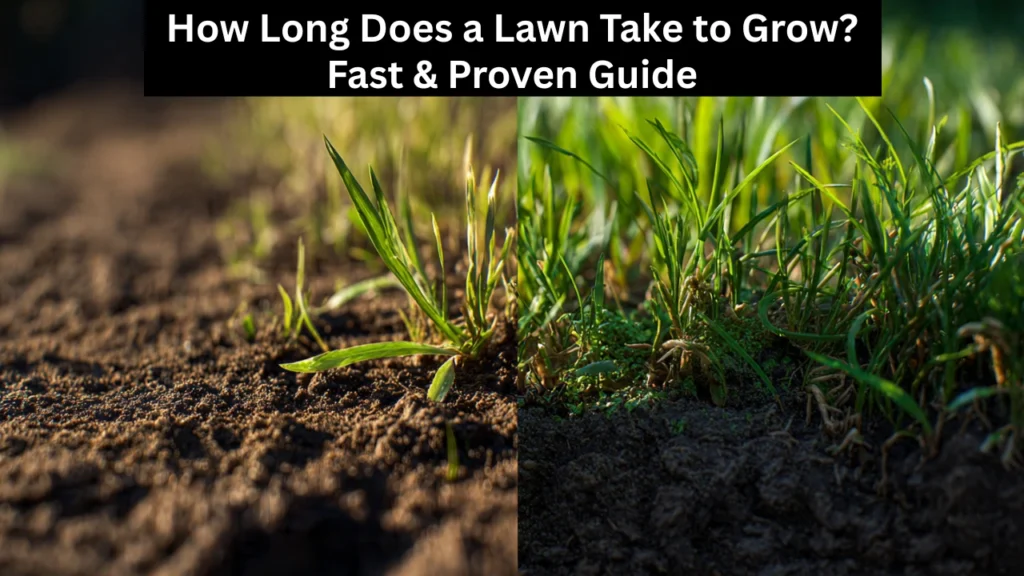
Seedling and Early Growth Stage
Young seedlings have limited roots and are vulnerable to drying, saturation, and traffic. Keep unnecessary traffic off them while they establish.
Lawn Establishment and Root Development
As roots develop and coverage improves, the lawn can tolerate more routine care. A calendar alone cannot confirm readiness. Establishment does not guarantee freedom from drought, weeds, or damage.
How Long Does It Take to Grow a Lawn from Seed?
Seed can suit some grasses, but Florida St. Augustinegrass is planted vegetatively. Use the variety’s germination and establishment guidance rather than a single week range for every seed. The first green sprouts do not establish that the lawn can handle normal use.
How Long Does a New Lawn Take to Grow with Sod?
Sod provides immediate cover, while rooting continues after installation.
Sod needs appropriate moisture while roots attach to the prepared soil. Check actual rooting rather than assuming appearance proves establishment.
Florida sod can root over the first few weeks under suitable conditions, but readiness varies with species, site, and care.
How Long Does It Take to Grow a New Lawn Using Other Methods?
Sprigs and plugs are other vegetative methods. Hydroseeding uses seed and therefore requires a grass that can be established that way. Hydroseeding distributes a seed mixture; it does not guarantee faster germination than other seeding methods. Plugs spread across the spaces between them. Fill-in time depends on species, spacing, conditions, and care.
Does Grass Type Affect Lawn Growth Time?
Grass type affects germination and later growth. Use guidance for the species and planting material.
Cool-season and warm-season grasses have different climate and timing needs. Choose a grass suited to the site before trying to accelerate its growth.
Factors That Influence How Fast a Lawn Grows
Preparation, water, weather, and planting quality all affect the result.
Soil Quality and Preparation
Correct compaction, grade, and other site problems before planting. Aeration and fertilizer are not automatic shortcuts.
Watering and Irrigation
Too little water can dry planting material; excessive water can create runoff, wash seed away, or impair roots. Maintain suitable establishment moisture.
Weather and Climate Conditions
Temperature and rainfall affect both establishment and stress. Monitor the planting during changing weather.
Season and Timing
A general fall-or-spring recommendation does not fit every Florida warm-season lawn. Choose a species- and location-specific window.
When Can You Mow or Walk on a New Lawn?
Rooting and growth determine when mowing and use can begin. For sod, wait until roots hold it in place. For seed or plugs, use establishment guidance for that grass and maintain its recommended mowing height.
Common Reasons a Lawn Takes Longer to Grow
If growth stalls, inspect moisture, contact with soil, grass suitability, weeds, pests, and weather. Revisit the cause before adding seed or fertilizer.
Professional Lawn Services for Faster and Healthier Growth
A good establishment plan starts before planting and includes follow-up checks.
Suitable lawn care can support establishment. DNR Landscaping can help with preparation, installation, and maintenance, but no provider can guarantee the same growth rate at every site.
Discuss the planting method, watering responsibilities, and signs that should prompt a follow-up.
Final Thoughts: How Long Does a Lawn Take to Grow?
Separate initial growth, rooted cover, and readiness for regular use. The timeline varies rather than following a universal sequence of weeks and months. Choose suitable planting material and monitor its progress.
When designing a new lawn, and you want to achieve the optimum possible result, professional lawn maintenance can streamline the whole process and make it more predictable.