
Successful sod installation starts before the first piece is laid. Remove the old vegetation, correct low spots and drainage problems, prepare a smooth soil surface, choose a grass suited to the property, and make sure irrigation is ready. Sod makes a lawn look finished immediately, which is exactly why preparation shortcuts can be easy to miss. Laid over existing grass or poorly prepared ground, it may look good for a few days and still struggle to root.
If you want help preparing or installing a lawn in Fort Pierce, Port St. Lucie, Vero Beach, or a nearby area, call D&R Landscaping & Excavation at (772) 370-9457. You can also send the property location, photos, and project details through the Contact Us page.
What should you decide before ordering sod?
- Grass type: sunlight, irrigation, soil, traffic, appearance, and maintenance expectations all affect the choice.
- Area: measure the lawn carefully and include irregular sections so the order is based on the real installation area.
- Access: decide where pallets can be delivered and how the sod will reach the work area without damaging the property.
- Irrigation: test coverage before delivery. New sod cannot wait while broken heads or dry zones are repaired.
- Preparation: complete removal, grading, soil work, and cleanup before the sod arrives.
Don’t schedule delivery until those decisions are made. Once a pallet arrives, the clock is running. UF/IFAS explains that Florida lawn establishment depends on selecting turf that fits the soil and climate as well as preparing the site correctly. Its current Florida lawn-establishment guide covers sod, seed, plugs, and sprigs, including the different grasses each method can establish.
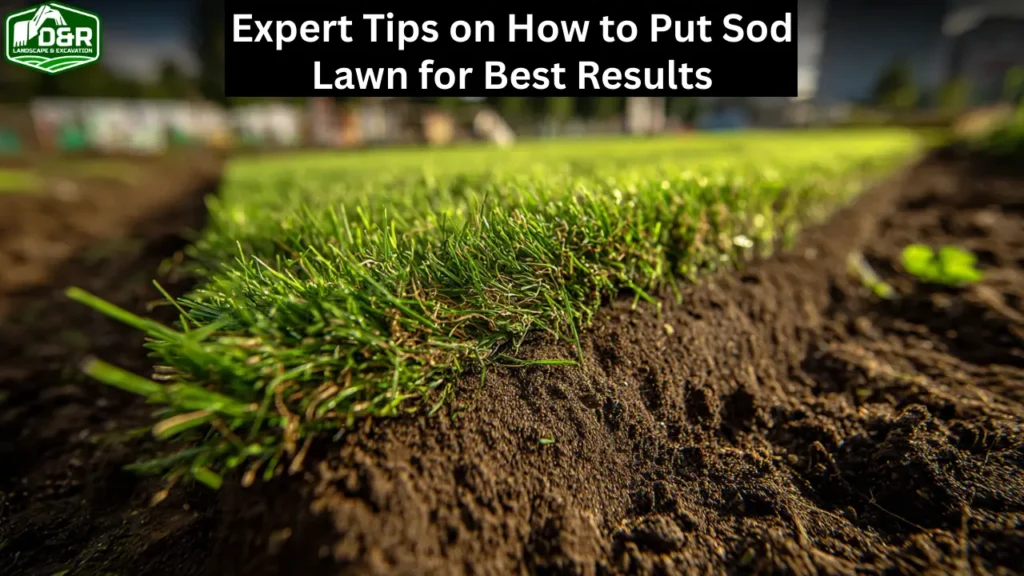
How do you prepare the ground for sod?
1. Remove the old lawn, weeds, and debris
Do not lay new sod directly over an established lawn. Existing grass, weeds, roots, rocks, and debris prevent consistent soil contact. Remove the unwanted growth and enough loose material to expose a workable surface.
If herbicide is part of the removal plan, follow the label and allow the required time before planting. If you are not qualified or comfortable applying it, use another removal method or hire an appropriate professional.
2. Correct drainage and grade problems
New sod will not fix a low area that holds water or a slope that directs runoff toward a structure. Watch the site after rain or irrigation and correct the cause first. Small surface irregularities may be smoothed during preparation, while broad low areas or repeated settling may need professional grading.
Our guide to leveling low spots and uneven lawn areas explains when a repair crosses into drainage or grading work.
3. Prepare and smooth the soil
Loosen compacted surface soil where appropriate, make soil or pH changes only when testing and the grass requirements justify them, and rake the area smooth. Remove rocks, roots, and debris that would create air pockets or bumps. The final soil level should allow the sod surface to meet walks, driveways, and other edges without sitting too high.
UF/IFAS provides more detail in its guide to preparing a Florida lawn for planting, including soil, irrigation, drainage, and preplant decisions.
4. Moisten the soil before installation
The soil should be moist, not muddy, when sod is laid. Dry soil can pull moisture from the sod, while saturated soil is difficult to work and may rut or compact under traffic.
How should sod be laid?
- Begin along a straight edge such as a driveway, walk, or prepared line.
- Place pieces tightly together without stretching them.
- Stagger the seams in a brick-like pattern instead of lining up four corners.
- Use full pieces in open areas and make clean cuts around curves, heads, beds, and obstacles.
- On slopes, place rows across the slope and secure pieces when movement is a concern.
- Roll or tamp the installed sod as appropriate so roots make contact with the soil and air pockets are reduced.
- Begin watering promptly rather than waiting until the entire day is over.
Sod is perishable. UF/IFAS advises planting it as quickly as possible after delivery and notes that pallet life in Florida summer conditions can be very short. A pallet sitting in the heat while grading or irrigation work is still underway is already losing time. Coordinate delivery with a prepared site and enough labor to complete the installation.
How should new sod be watered?
The goal at first is to keep the sod and the soil immediately beneath it from drying out. That usually requires shorter, more frequent irrigation during early establishment, followed by a gradual reduction in frequency as roots move into the soil. Weather, grass type, soil, sprinkler output, shade, and local watering rules all affect the schedule.
A timer can tell you how long the system ran; it can’t tell you whether water reached the soil beneath every piece. Lift a corner carefully during the first several days and check. Correct dry edges and sprinkler gaps quickly, but avoid keeping the ground waterlogged.
When can you mow and use a new sod lawn?
Wait until the sod has begun rooting firmly enough that normal mowing will not pull or shift it. Check several areas rather than assuming the entire lawn established at the same rate. Use a sharp blade, follow the correct height for the grass, and avoid removing too much leaf growth at once.
Limit unnecessary foot traffic while the roots establish. Heavy use, vehicles, pets running the same path, and turns from equipment can move seams or create depressions in soft soil.
Do you need sod, seeding, or a smaller repair?
Sod provides immediate cover and works with Florida grasses that are not commonly established from seed, but it costs more and still requires careful preparation. Seeding may cost less for compatible grasses, but it takes longer and leaves more opportunity for weeds or erosion during establishment. Small isolated damage may need only a targeted repair.
The better choice depends on grass type, damage, area, timing, erosion risk, irrigation, and how quickly you need a usable surface. The question isn’t which material sounds easier. It’s which method the property can support all the way through establishment.
When should you call a professional?
Professional help is worth considering when the project covers a large area, the old lawn must be removed, drainage or grading needs correction, irrigation coverage is uncertain, access is difficult, or you cannot install the delivered sod quickly enough.
D&R provides landscaping and property-improvement services along with ongoing lawn care and maintenance. Call (772) 370-9457 with the property location, approximate area, current lawn condition, access details, and desired timeline. You can also send photos and project details online.
Sod installation FAQs
Can you lay sod over existing grass?
How soon should sod be installed after delivery?
How do you know new sod is rooting?
Will sod fix drainage problems?
Planning a new lawn?
D&R provides lawn preparation, sod, landscaping, irrigation, and related property work in Fort Pierce, Port St. Lucie, Vero Beach, and nearby Treasure Coast service areas.