How to Protect Trees You Want to Keep During Land Clearing
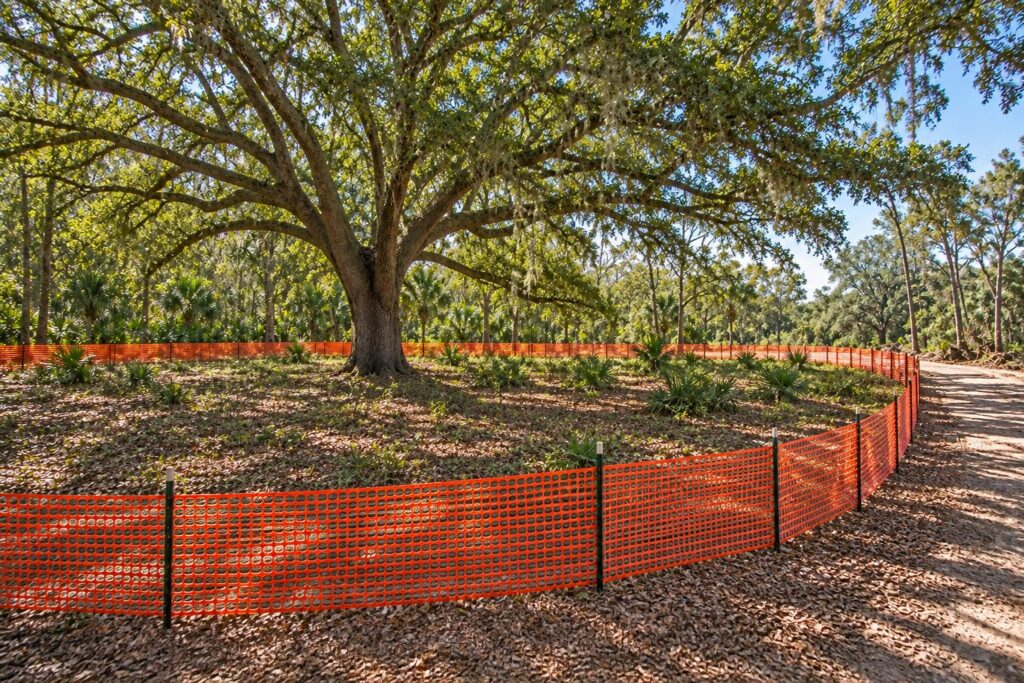
Retaining a tree during clearing requires protecting its supporting ground as well as its trunk. Coordinate protection zones, equipment routes, and staging.
Why Vegetation Grows Back After Forestry Mulching
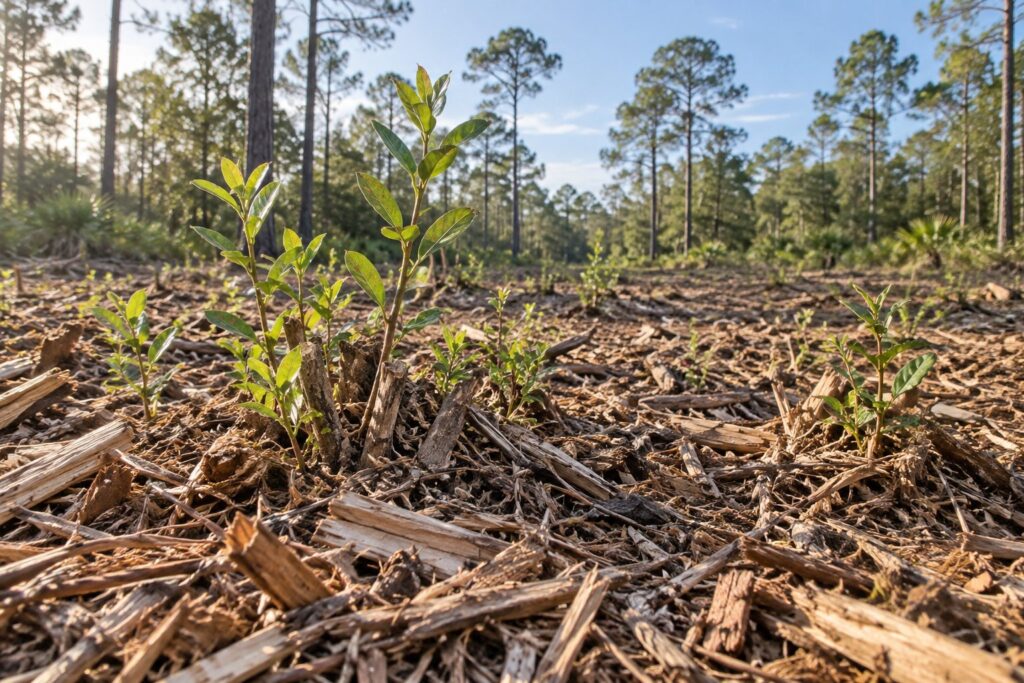
Regrowth after forestry mulching may come from surviving plant parts or new seedlings. Record the pattern and intended use before choosing follow-up work.
How to Build a Practical Maintenance Plan for Florida Acreage
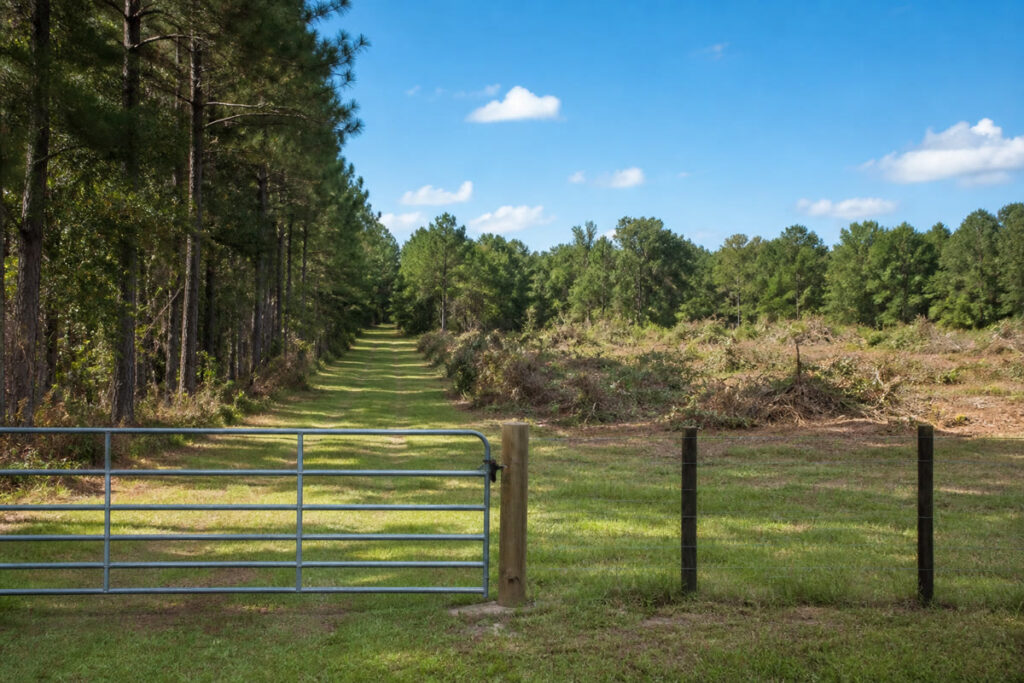
Divide acreage into frequent-use, periodic-control, and protected zones, then match each area to its access, material, and maintenance need.
Ditch Clearing in Florida: What to Check Before Work Begins
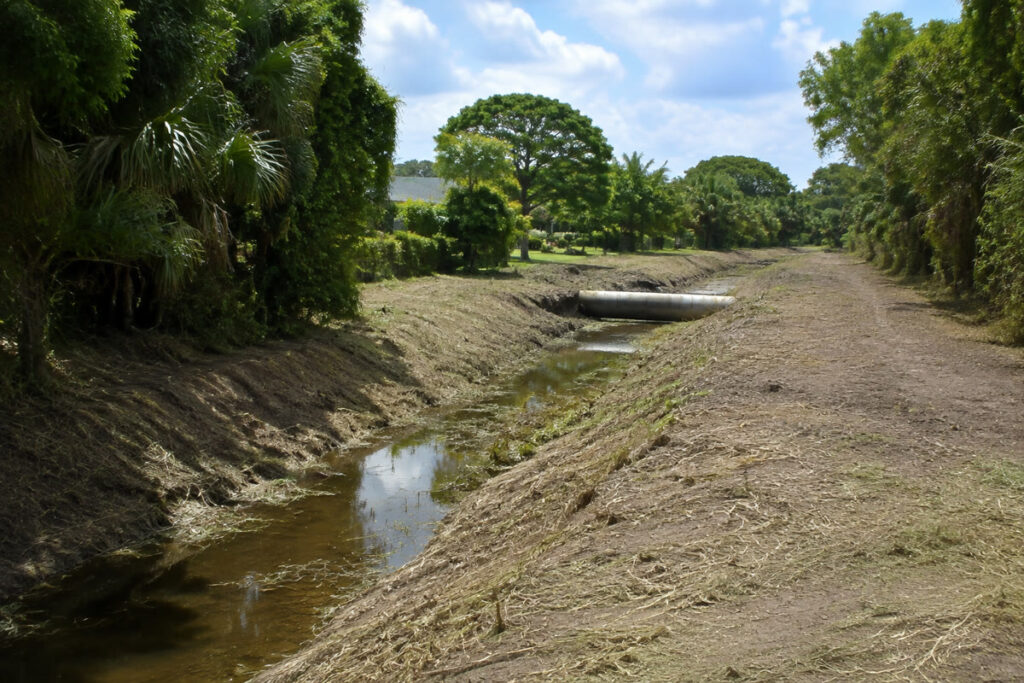
Ditch clearing starts with the full channel, access route, crossings, work limits, and debris plan—not vegetation removal alone.
Florida Storm Debris Cleanup: What Should Happen First?
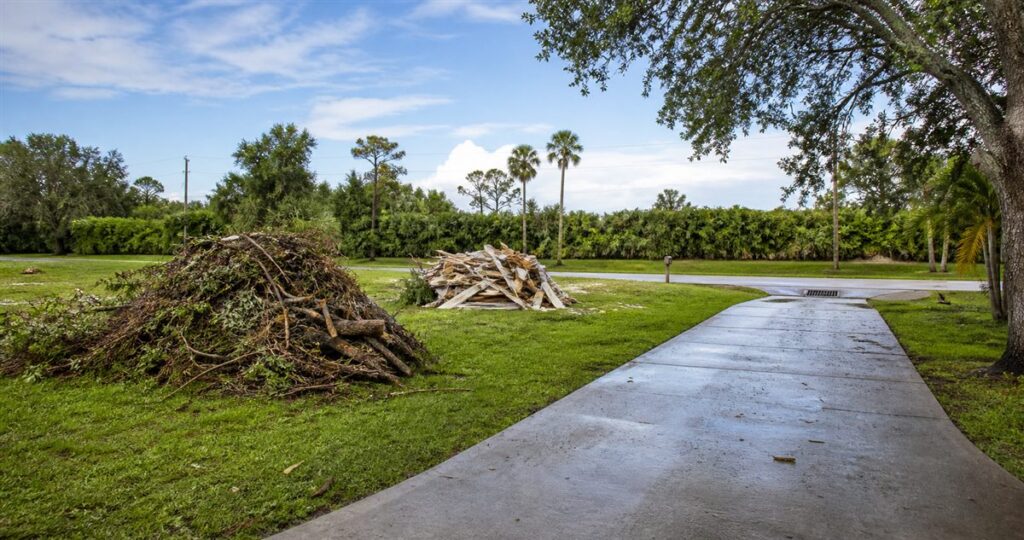
After a Florida storm, address people and utilities first, open limited access, control unstable hazards, separate debris, and then plan restoration.
How to Plan Brazilian Pepper Removal in Florida
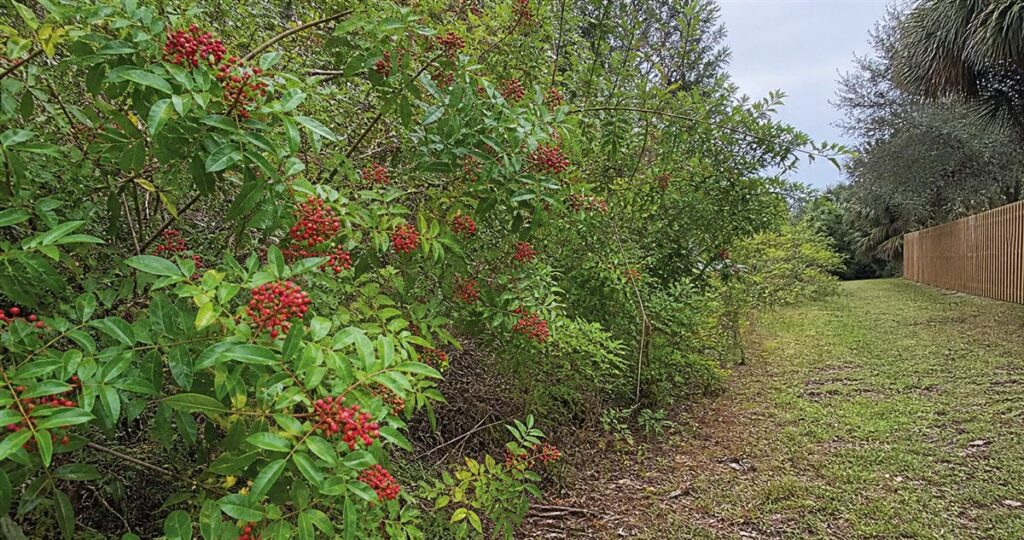
Brazilian pepper control requires correct identification, a site-appropriate method, careful debris handling, protection, and follow-up for regrowth.
What Happens to Debris After Land Clearing?
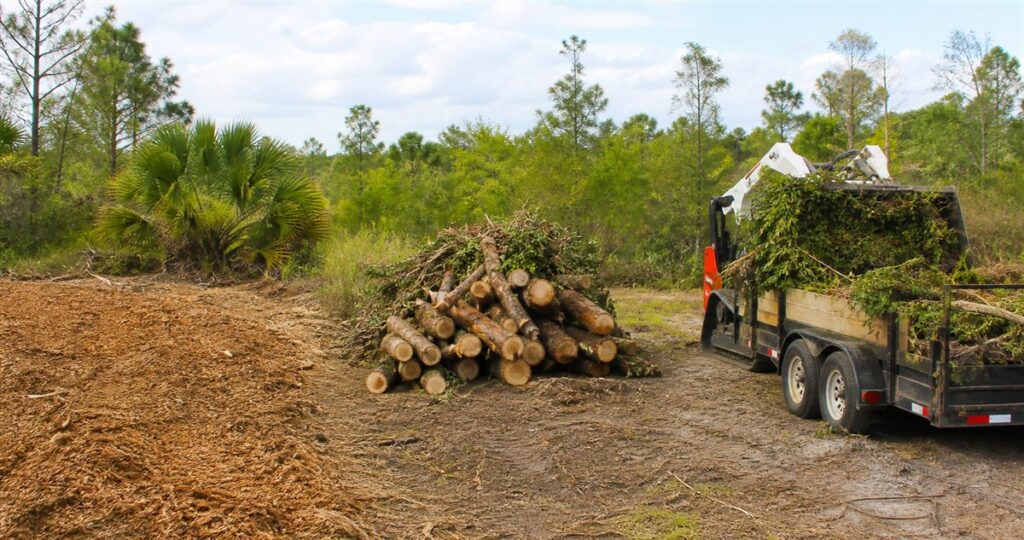
Land-clearing debris may be mulched, chipped, piled, hauled, or handled under an authorized plan. Choose by material, space, rules, and next use.
When Do You Need a Gopher Tortoise Survey Before Land Clearing?
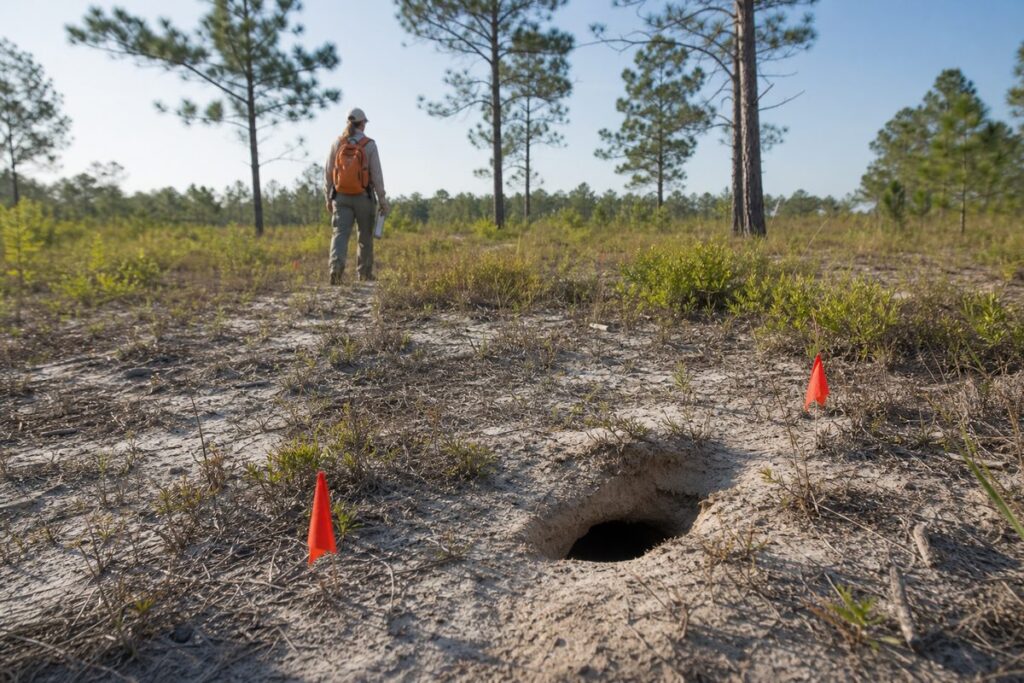
Check for gopher tortoise burrows before Florida land clearing. Learn the 25-foot decision boundary, survey sequence, and when permitting and relocation apply.
Why Water Stands in Your Florida Yard After Rain
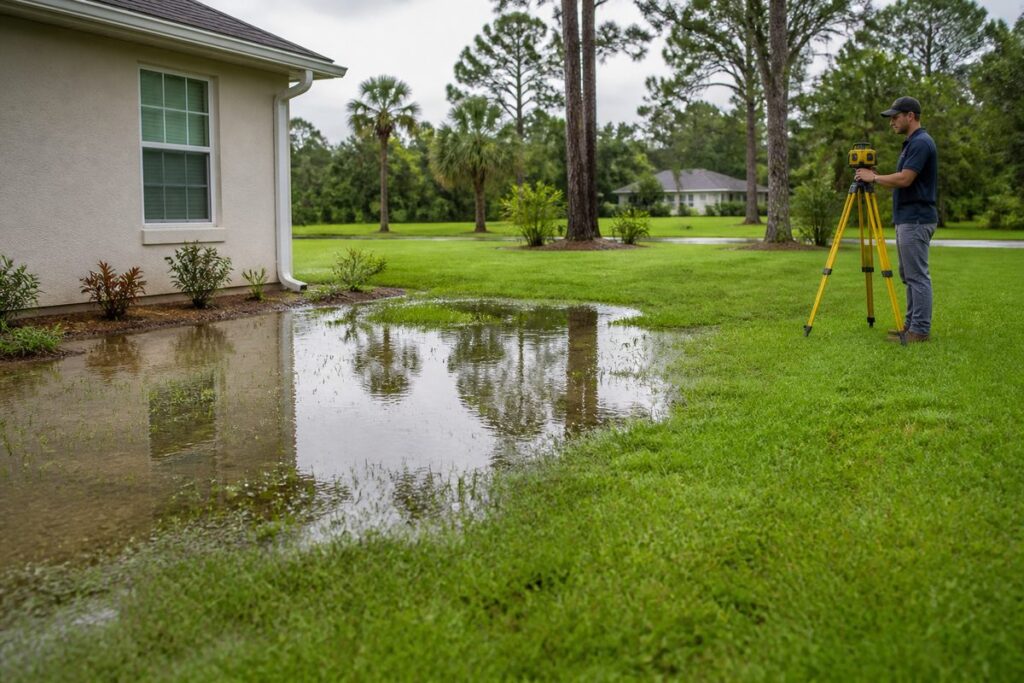
Standing water may come from low grade, compaction, blocked drainage, runoff, or irrigation. Learn when lawn repair ends and grading evaluation begins.
How to Clear an Overgrown Florida Property
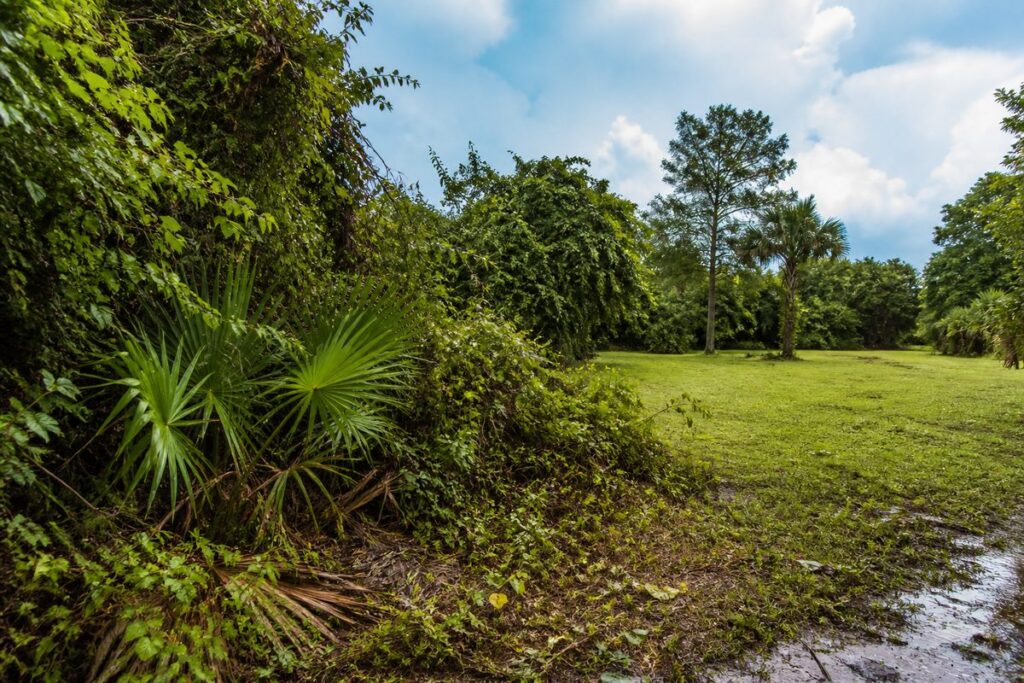
Clear an overgrown Florida property in stages: establish access, mark what stays, match equipment to material, protect constraints, and plan maintenance.