Florida Storm Debris Cleanup: What Should Happen First?
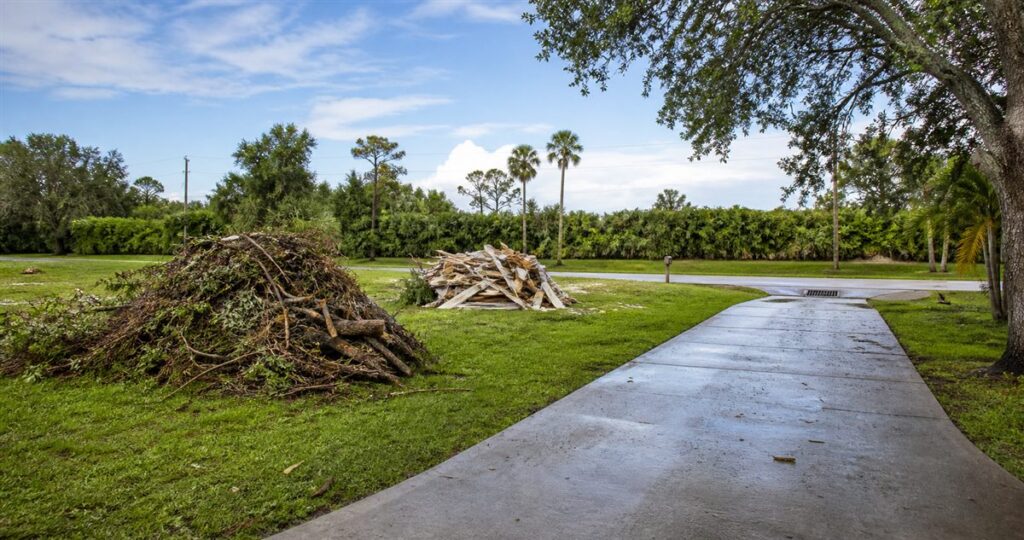
After a Florida storm, address people and utilities first, open limited access, control unstable hazards, separate debris, and then plan restoration.
How to Plan Brazilian Pepper Removal in Florida
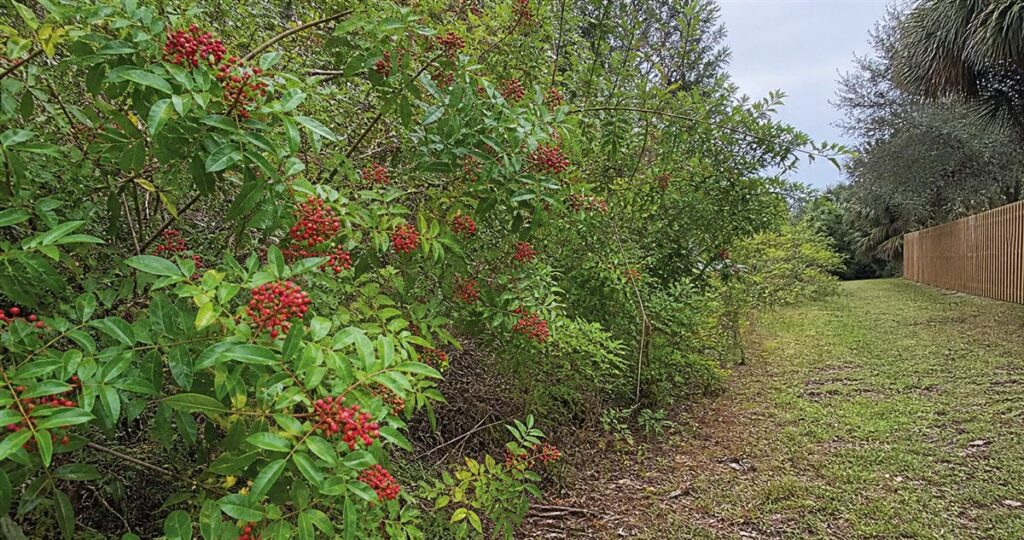
Brazilian pepper control requires correct identification, a site-appropriate method, careful debris handling, protection, and follow-up for regrowth.
What Happens to Debris After Land Clearing?
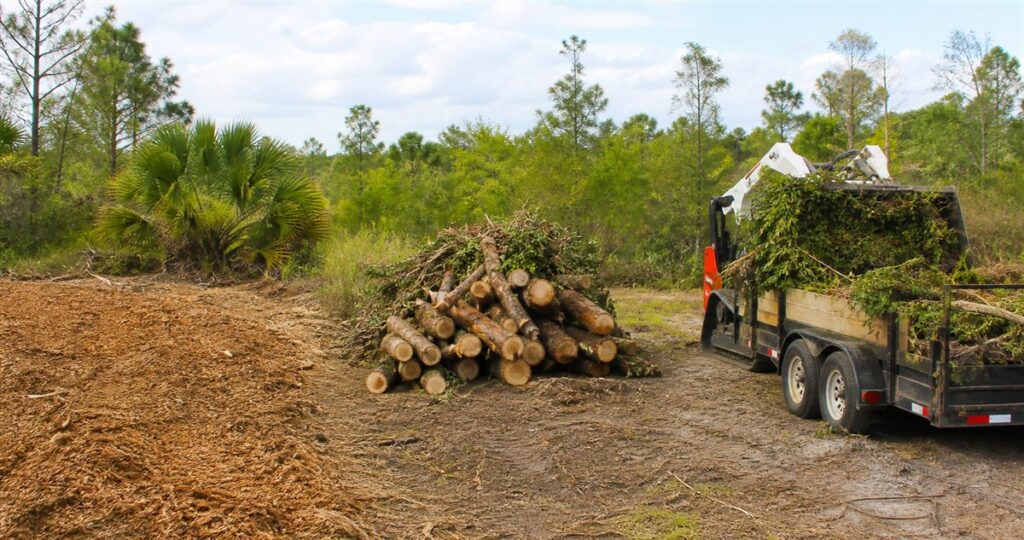
Land-clearing debris may be mulched, chipped, piled, hauled, or handled under an authorized plan. Choose by material, space, rules, and next use.
Can Heavy Equipment Access Your Property? Check These 6 Conditions
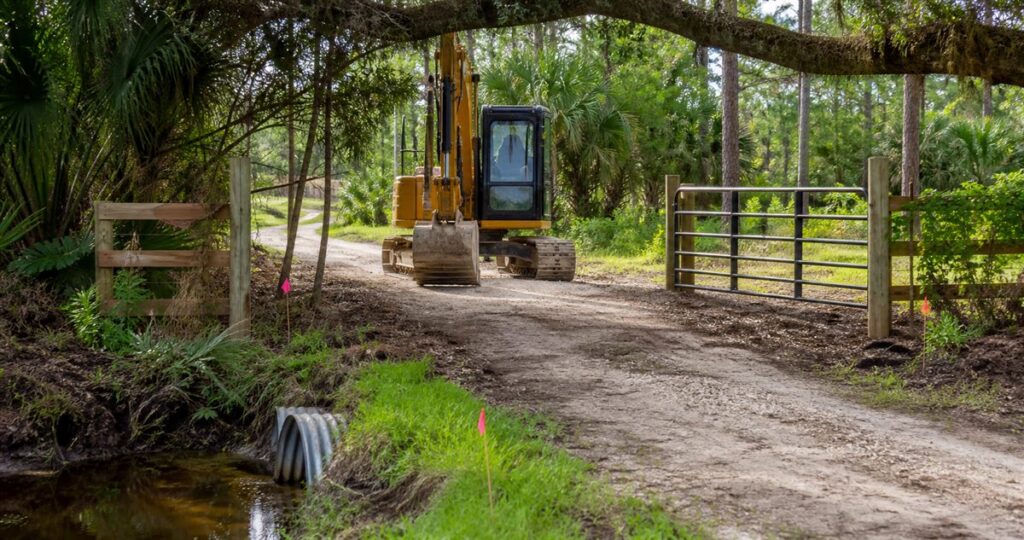
Before land work begins, check the full equipment route for entrance width, overhead limits, surface, drainage, turning, and protected areas.
Rough Grading vs. Finish Grading: What Is the Difference?
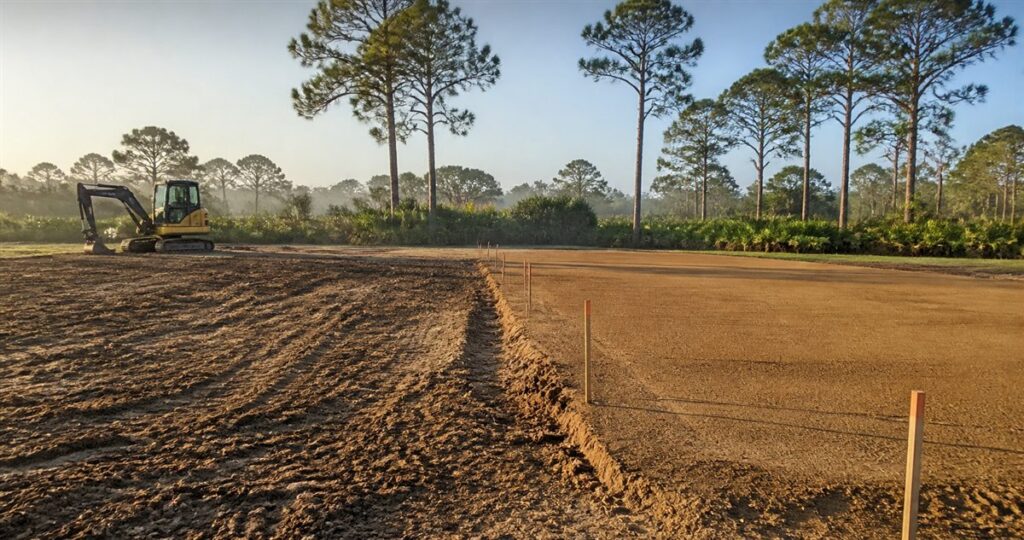
Rough grading establishes the site’s broad shape; finish grading refines the surface for its next use. Learn how to define the handoff.
Brush Hogging vs. Forestry Mulching: Which Does Your Property Need?
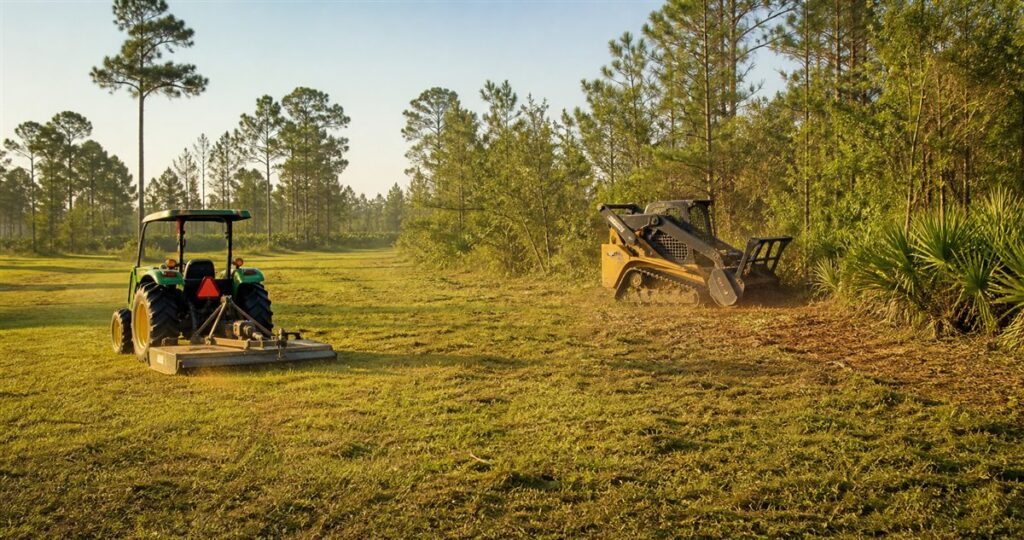
Brush hogging fits passable areas needing recurring vegetation control; forestry mulching fits denser woody growth. Choose by access, material, and finish.
How to Plan Fence-Line and Access Clearing
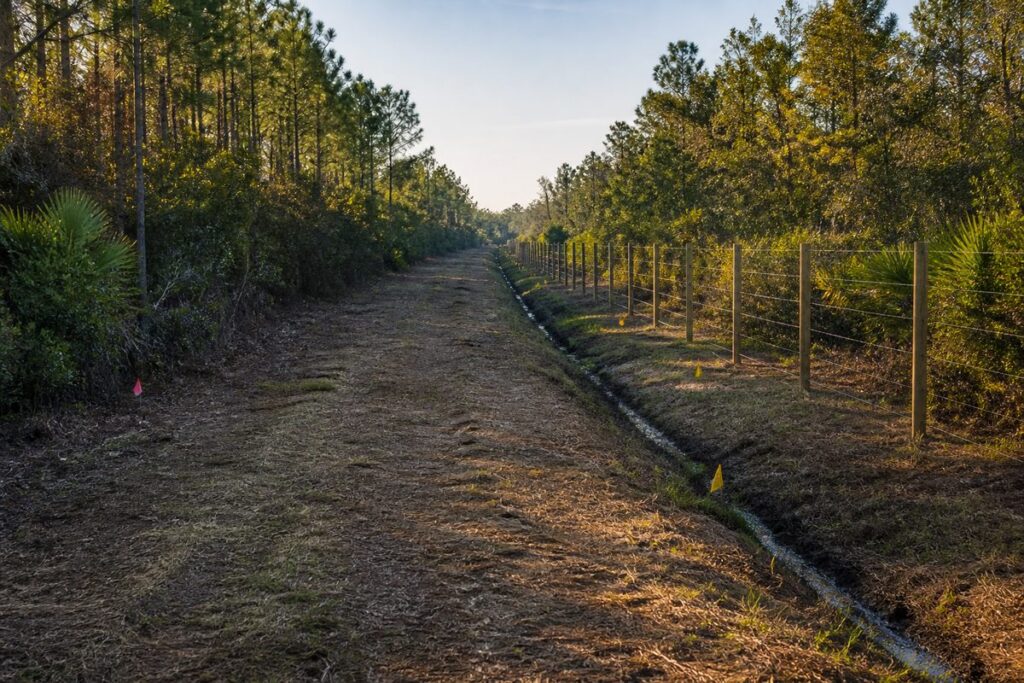
Plan fence-line and access clearing around working width, boundaries, utility marks, drainage, equipment movement, and future maintenance.
Should Trees Be Removed Before Site Grading?
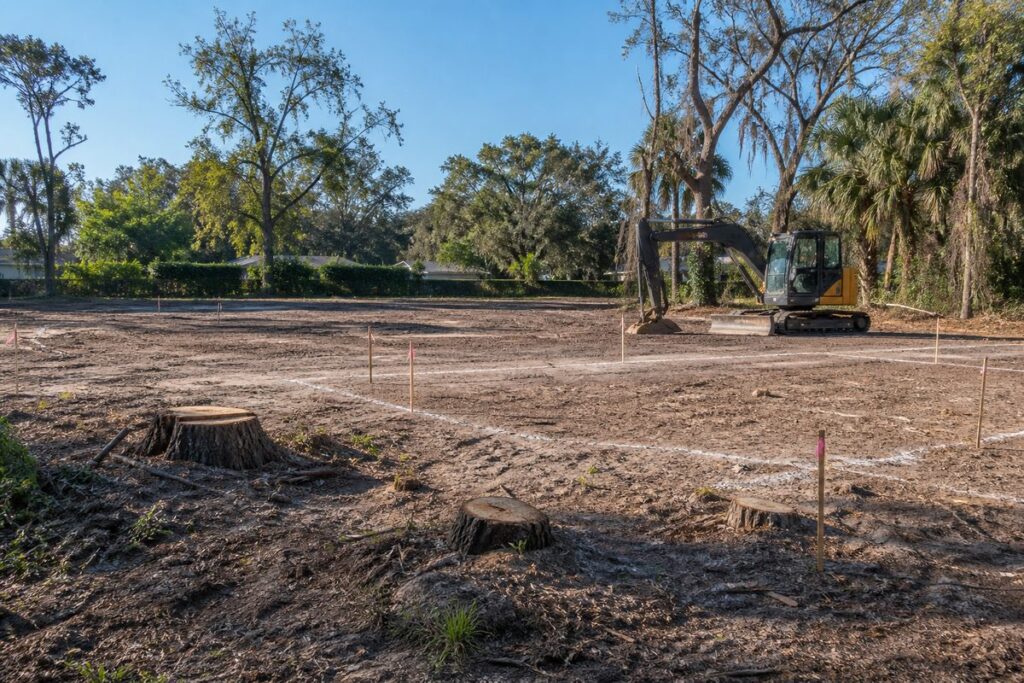
Coordinate tree removal and grading from the site plan. Account for stumps, roots, fill, retained-tree protection, utilities, access, and drainage.
When Do You Need a Gopher Tortoise Survey Before Land Clearing?
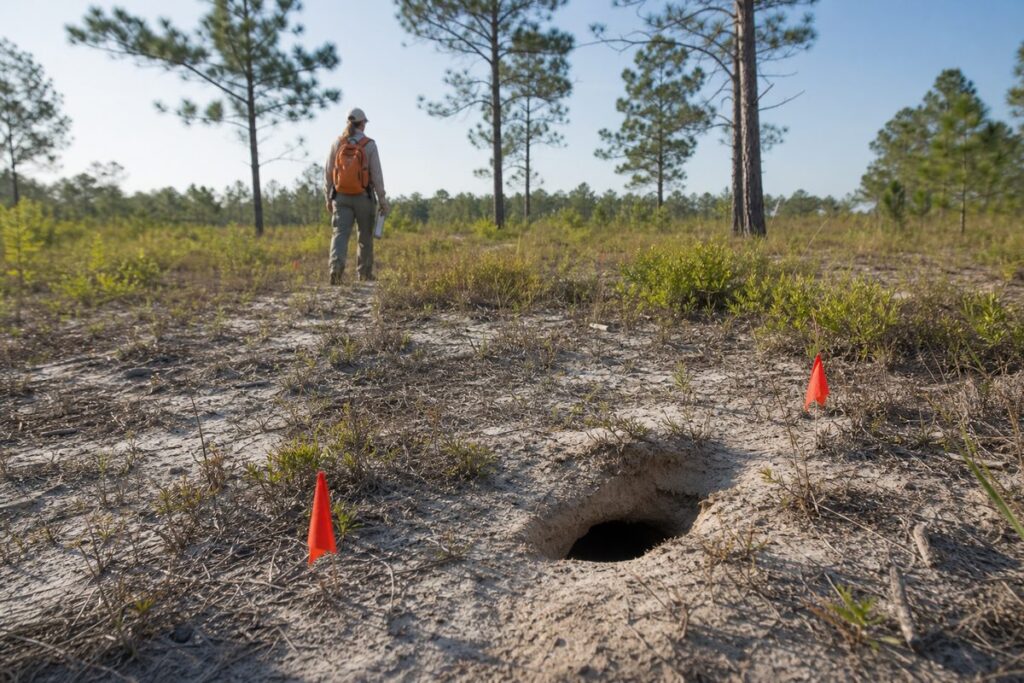
Check for gopher tortoise burrows before Florida land clearing. Learn the 25-foot decision boundary, survey sequence, and when permitting and relocation apply.
Why Water Stands in Your Florida Yard After Rain
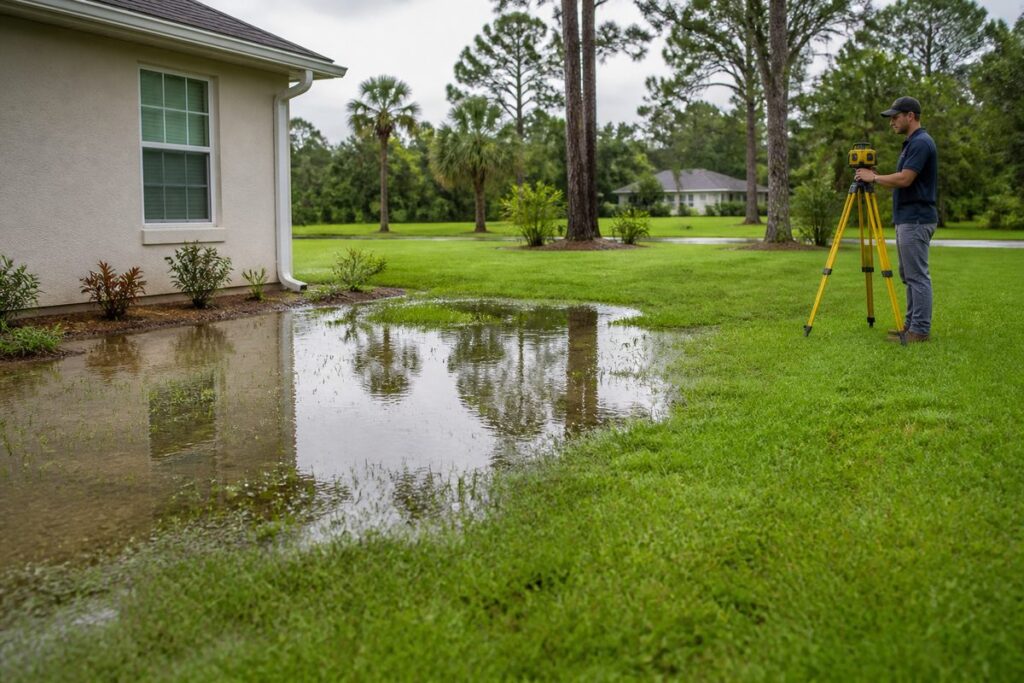
Standing water may come from low grade, compaction, blocked drainage, runoff, or irrigation. Learn when lawn repair ends and grading evaluation begins.