
Identify the ants before trying to remove them. Some help control other pests, while fire-ant stings can make a lawn difficult to use. You can contact professional like DNRLandscaping In Fort Pierce, Florida or ask your county Extension office about identification and suitable control.
Why Ants in Your Lawn Are a Problem
The species and location determine whether treatment is needed. A small mound is not automatically evidence that the lawn is being destroyed.
Signs That Your Lawn Has Ants
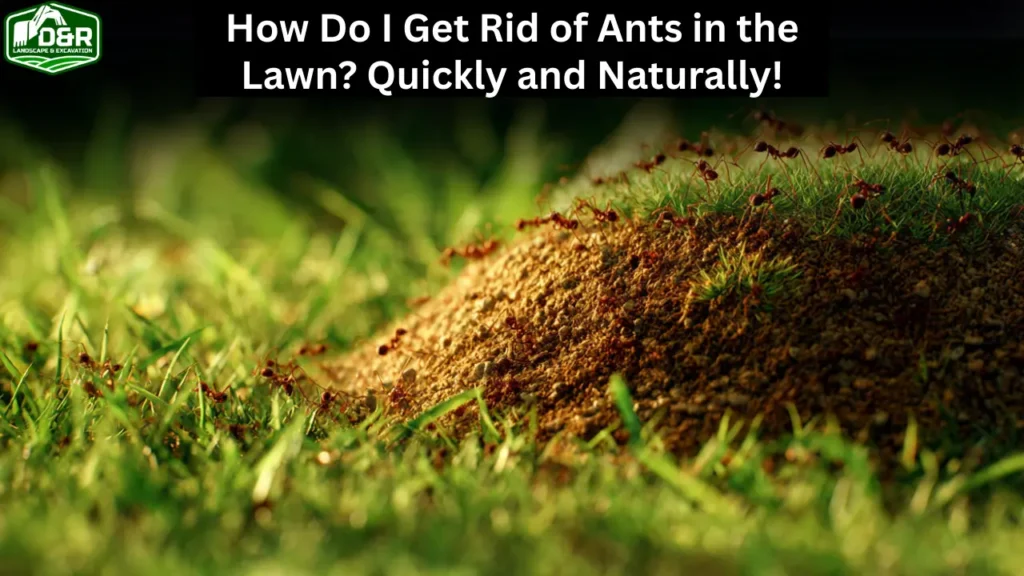
Record the mound locations and activity from a safe distance. Do not disturb a suspected fire-ant mound to test its response.
How Ants Find Their Way Into the Lawn
Food and nesting conditions can attract ants. Remove spilled food and investigate standing water separately. Keeping a lawn healthy helps routine care, but does not guarantee an ant-free yard.
Natural Methods to Get Rid of Ants in the Lawn
Natural remedies are not automatically safe, effective, or harmless to grass.
Using Boiling Water on Ant Hills
Hot-water mound treatments can burn people and damage nearby turf or plants, and may not reach the queen. Do not treat boiling water as an easy, risk-free solution.
DIY Ant Repellent Sprays
Avoid relying on homemade vinegar or essential-oil sprays for colony control. They can create plant damage or unwanted exposure without eliminating the nest.
Diatomaceous Earth (Food-Grade)
Diatomaceous-earth products have specific uses and precautions. Food-grade labeling does not make a powder automatically safe to breathe or suitable for every lawn application.
Natural Baits
Do not use cornmeal or cornstarch as a dependable colony treatment. Use an appropriately labeled bait if recommended for the identified ant.
Using Scents Ants Dislike
Do not rely on coffee grounds, cinnamon, or citrus peels to prevent new colonies.
When Chemical Treatments Are Necessary
Ask about a bait or mound treatment labeled for the species and site. Follow application conditions and access restrictions; lawn maintenance alone does not replace necessary pest control.
Preventing Ant Infestations
Remove accessible food and monitor recurring activity. Do not break up a mound or reseed merely to assume the colony is gone.
When to Call a Professional
Seek a qualified pest professional for extensive fire-ant activity or a problem you cannot manage safely. Professional treatment still needs follow-up; it cannot guarantee permanent removal.
Conclusion
The useful plan begins with identification, a decision about whether control is needed, and a suitable response. Recheck the result rather than repeating home remedies by habit.